
 EN
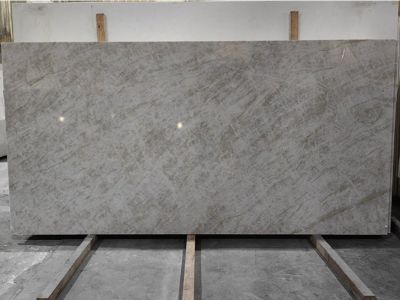
As the hospitality industry continues to evolve, the choice of materials plays a crucial role in determining the aesthetic and functional qualities of commercial spaces. Quartz stone Granite is quickly becoming a preferred material for hospitality projects due to its unique properties and advantages. This article will explore why quartz stone is favored, including its durability, versatility, and cost-effectiveness, while addressing key considerations for buyers in the hospitality sector.
Why Quartz Stone is the Ideal Choice for Hospitality Projects
Quartz stone is engineered from a blend of natural quartz crystals and resins, resulting in a non-porous and highly durable surface. This makes it an excellent choice for high-traffic areas such as hotel lobbies, restaurant countertops, and bar surfaces. Its resilience against scratches, stains, and heat ensures that it maintains its appearance and functionality over time, which is critical for hospitality environments where first impressions matter.
Moreover, quartz stone is available in a vast array of colors and patterns, allowing designers and architects to create unique, customized looks that align with the brand identity of a hotel or restaurant. This customization capability is particularly appealing for hospitality projects looking to stand out in a competitive market.
How to Evaluate the Quality of Quartz Stone for Your Needs
When evaluating quartz stone for hospitality projects, several key factors should be considered:
Material Composition: Verify the percentage of natural quartz versus resins. A higher quartz content typically indicates better durability and performance.
Surface Finish: The finish of the quartz surface can impact its resistance to scratches and stains. Polished finishes may be more aesthetically pleasing but could require more maintenance than honed finishes.
Certifications: Look for certifications such as GREENGUARD or NSF, which can indicate that the product meets specific health and safety standards, crucial for hospitality environments.
Thickness: Common thicknesses for quartz slabs range from 1 cm to 3 cm. Thicker slabs may offer greater durability but can also increase costs. Consider the application and weight-bearing requirements when making your selection.
Sample Approval: Before placing a bulk order, request a sample to evaluate the color, texture, and finish in the intended environment. This can prevent discrepancies between the chosen product and the final installation.
Cost Factors to Consider When Choosing Quartz Stone Products
The cost of quartz stone can vary significantly based on several factors:
Quality of Material: Higher-grade quartz typically comes at a premium due to its superior durability and aesthetic qualities.
Customization Needs: Custom colors, patterns, and finishes can increase the overall price. Buyers should weigh the importance of unique designs against budget constraints.
Installation Costs: Consider the complexity of the installation process, which can affect labor costs. Some quartz products may require specialized installation techniques that can increase total expenses.
Quantity Ordered: Larger orders may qualify for discounts, but buyers should also factor in minimum order quantities (MOQ), which can vary by supplier.
Shipping and Handling: The cost of transporting quartz Stone Crafts can be substantial, particularly for international shipments. It's essential to factor in these logistics when budgeting for a project.
Addressing Common Problems with Quartz Stone in Hospitality Projects
While quartz stone offers many benefits, there are common issues that buyers should be aware of:
Thermal Expansion: Quartz can expand and contract with temperature changes. Proper installation techniques, including expansion joints, are essential to prevent cracking.
Seam Visibility: In larger installations, seams may become visible. Selecting a supplier with expertise in seam placement can help minimize this issue.
Weight: Quartz is heavier than some alternative materials, which can pose challenges during installation. Ensure that the underlying structure can support the weight without compromising stability.
Maintenance Requirements: Although quartz is low-maintenance compared to natural stone, it is not completely maintenance-free. Regular cleaning with non-abrasive products is necessary to maintain its appearance.
Benefits of Using Quartz Stone for Long-Lasting Hospitality Designs
The long-term advantages of incorporating quartz stone into hospitality designs are significant:
Durability: Quartz stone’s resistance to scratches, stains, and chipping makes it ideal for high-traffic areas, reducing the need for frequent replacements.
Aesthetic Flexibility: Its vast range of colors and patterns allows for innovative design possibilities, making it easier to achieve a specific ambiance or theme.
Health and Safety: The non-porous nature of quartz prevents bacteria and mold growth, contributing to a healthier environment for guests and staff.
Sustainability: Many quartz products are made using eco-friendly processes and can be sourced from suppliers who prioritize sustainable practices, aligning with the growing demand for environmentally responsible choices in the hospitality industry.
Cost-Effectiveness: While the upfront cost may be higher than some alternatives, the durability and low maintenance of quartz stone can lead to lower total costs over time, making it a smart investment for hospitality projects.
quartz Artificial Marble stone is rapidly gaining traction as a preferred material for hospitality projects due to its durability, aesthetic appeal, and practical benefits. By carefully evaluating quality, costs, and potential issues, buyers can make informed decisions that ensure long-lasting, beautiful installations that enhance the guest experience.
Table of Contents
- Why Quartz Stone is the Ideal Choice for Hospitality Projects
- How to Evaluate the Quality of Quartz Stone for Your Needs
- Cost Factors to Consider When Choosing Quartz Stone Products
- Addressing Common Problems with Quartz Stone in Hospitality Projects
- Benefits of Using Quartz Stone for Long-Lasting Hospitality Designs