
 EN
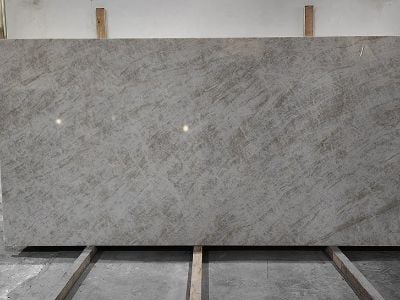
Selecting the right quartz stone for your project involves careful consideration of design, performance, and cost. As a popular choice in the construction and design industries, quartz stone offers a balance of aesthetics and durability. However, buyers often face challenges in making informed decisions while balancing these factors. This article will guide purchasing managers, distributors, and engineers through the process of selecting quartz stone, addressing key specifications, cost factors, application suitability, and potential issues.
How to Choose the Right Quartz Stone for Your Project Needs?
When selecting quartz stone, start by identifying the specific requirements of your project. Consider the intended application, whether it's for countertops, flooring, or wall cladding. The design aesthetic is crucial; quartz stone comes in various colors and patterns, enabling a wide range of design possibilities.
Performance characteristics such as hardness, stain resistance, and heat resistance are also critical. For example, if the quartz stone will be used in high- traffic areas or commercial settings, prioritize materials with higher durability ratings. Additionally, consider the finish polished surfaces offer a sleek look but may require more maintenance than honed or textured options. Lastly, factor in customizations. Many manufacturers, including Xiamen Nishi Group Co., Ltd., offer tailored solutions to meet unique project specifications, so discussing your needs with suppliers can yield the most suitable options.
Key Specifications to Consider When Sourcing Quartz Stone Wholesale
Several specifications play a pivotal role in sourcing quartz stone. One of the primary specifications is thickness, typically ranging from 12mm to 30mm. Thicker slabs provide increased strength and durability, making them ideal for countertops that bear heavy loads. Another essential specification is the resin content, which affects the stone's performance characteristics. A higher resin content typically improves the stone’s flexibility and resistance to cracking but may influence heat resistance. It's also crucial to evaluate the surface finish options include polished, honed, or textured finishes, each serving different aesthetic and functional purposes. Additionally, consider the certifications that may apply to Artificial Quartz stone, such as compliance with health and safety regulations. Ensure the product meets industry standards for quality and safety, which can significantly affect its performance in your intended application.
Understanding Cost Factors in Quartz Stone Procurement Decisions
Cost is a critical factor in selecting quartz stone and can vary based on several elements. The type of quartz stone engineered vs. natural impacts pricing, with engineered stones typically offering a more cost-effective option due to the consistency in supply and manufacturing processes. Other cost factors include the complexity of the design and any customization requirements. Unique colors or patterns may incur higher costs due to limited availability or the need for specialized manufacturing processes. Additionally, consider the total landed cost, which includes shipping, handling, and potential import duties if sourcing internationally. Understanding these cost components can help buyers prepare accurate budgets and avoid unexpected expenses during procurement.
Comparing Quartz Stone Applications for Different Industry Needs
Quartz stone is versatile and finds applications across various industries, including residential, commercial, and industrial settings. In residential applications, it is frequently used for countertops, vanities, and flooring due to its aesthetic appeal and durability.
Buyers should consider the expected wear and tear; for instance, a kitchen countertop may require different specifications than a bathroom vanity. In commercial settings, Stone Monuments and Carvings stone is favored for its low maintenance and high durability, making it suitable for high-traffic areas such as hotel lobbies or retail spaces. In industrial applications, quartz stone can serve as a non-porous surface that resists chemical exposure, making it ideal for laboratories and manufacturing environments. Understanding the specific application requirements will guide buyers in selecting the appropriate quartz stone type for their projects.
Common Problems with Quartz Stone and Effective Solutions for Buyers
Despite its advantages, quartz stone can present certain challenges. One common issue is chipping, especially along edges and corners, which can occur if the stone is not properly fabricated or installed. To mitigate this, ensure that you work with experienced fabricators and installers familiar with quartz materials. Another issue is discoloration, which can occur if the stone is improperly maintained or exposed to harsh chemicals. To prevent this, establish a regular cleaning and maintenance routine with pH-balanced cleaners. Buyers should also be aware of potential inconsistencies in color and pattern due to variations in manufacturing. Always request samples before committing to a large order, and consider conducting a quality inspection of the final product to ensure it meets your expectations. By understanding these common problems and their solutions, buyers can make more informed decisions when selecting quartz stone. In summary, balancing design, performance, and cost when selecting Stone Crafts requires a thorough understanding of project needs, specifications, and potential challenges. By addressing these aspects, buyers can procure the right quartz stone solutions that meet their requirements effectively.
Table of Contents
- How to Choose the Right Quartz Stone for Your Project Needs?
- Key Specifications to Consider When Sourcing Quartz Stone Wholesale
- Understanding Cost Factors in Quartz Stone Procurement Decisions
- Comparing Quartz Stone Applications for Different Industry Needs
- Common Problems with Quartz Stone and Effective Solutions for Buyers