
 EN
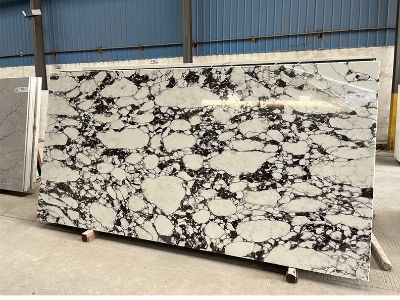
The growing market for quartz stone has prompted brands to differentiate themselves through design innovation, impacting how buyers assess quality and suitability for various applications. This article explores how quartz stone brands leverage unique design elements to stand out while addressing key considerations for B2B buyers. We will guide purchasing managers, engineers, and product managers through sourcing reliable suppliers, understanding material benefits, assessing product quality, and navigating common sourcing challenges.
Where to Source Reliable Suppliers for Quartz Stone Purchases?
Finding reliable suppliers for quartz stone requires a strategic approach. Start by leveraging trade shows and industry exhibitions, which can provide face-to-face interactions and immediate insights into a supplier's capabilities and product offerings.
Online platforms and industry directories can also be useful, but ensure they feature verified suppliers with strong reputations. When evaluating potential suppliers, consider their Stone Monuments and Carvings capabilities, quality control processes, and customer service reputation. Look for manufacturers like Xiamen Nishi Group Co., Ltd. that have a track record in the stone industry, focusing on both production and trade integration. Additionally, request samples to assess the quality firsthand before making larger commitments.
Understanding Quartz Stone Material Benefits
Quartz stone, an engineered stone made from natural quartz crystals, offers several key benefits that may influence purchasing decisions. Its non-porous surface provides excellent resistance to stains, making it suitable for high-traffic areas in commercial spaces. Unlike natural stones, quartz stone is less likely to harbor bacteria due to its seamless nature, which is crucial for hygienic applications. Another advantage is its durability Stone Crafts is engineered to withstand scratches and chips better than many natural stones. This resilience can lead to lower maintenance costs over time. Moreover, the ability to customize colors and patterns offers designers flexibility, enabling them to meet specific aesthetic requirements for various projects.
Key Considerations
When sourcing quartz stone, several factors should be at the forefront of your decision-making process. First, assess the thickness and dimensions of the slabs, as these will affect installation requirements and durability. The standard thickness ranges from 12mm to 30mm, with thicker slabs generally providing better performance in commercial applications. Next, consider the surface finish options may include polished, honed, or textured finishes, each serving different aesthetic and functional needs. Understanding the intended application can help guide this choice. For example, polished finishes are often preferred for countertops due to their sheen and ease of cleaning, while honed finishes may be better suited for flooring to reduce slip hazards. Finally, ensure the supplier can accommodate your customization needs, including color matching and specific design requests. Discussing minimum order quantities (MOQ) and production lead times early in the conversation will help align expectations.
How to Assess Quartz Stone Products Effectively?
Evaluating quartz stone products involves several practical steps. Start by examining the surface for consistency in color and pattern. Look for any visible inconsistencies or defects that could indicate poor manufacturing practices. A reputable manufacturer will provide slabs that maintain uniformity across the entire surface. Next, conduct a tactile inspection. Assess the texture and finish of the Luxury Stone this can indicate the quality of the polishing and surface treatment. Additionally, inquire about the resin used in the manufacturing process, as high-quality resins can enhance durability and resistance to wear. Buyers should also be aware of the importance of certifications, such as ISO or other industry-specific quality standards. These can provide assurance regarding the stone's performance and safety in various applications.
Common Problems in Quartz Stone Sourcing and Their Solutions
Sourcing quartz stone can present challenges, but being aware of common problems can help mitigate risks. One frequent issue is quality inconsistency, which can stem from variations in manufacturing processes. To address this, insist on a comprehensive quality control protocol from your supplier. Request documentation that outlines their quality assurance measures, including testing results and certification compliance. Another common problem is related to lead times. Delays can occur due to various factors, including raw material shortages or production bottlenecks. To minimize disruption, establish a strong communication channel with your supplier and plan for contingencies. Discuss lead times upfront and consider setting up buffer periods in your project timeline. Lastly, packaging and shipping can lead to damage during transit. Ensure your supplier uses robust packaging materials and methods that protect the slabs. Request information on how they handle logistics and what steps they take to prevent damage during transport. In summary, understanding how quartz stone brands differentiate themselves through design innovation is crucial for making informed purchasing decisions. By focusing on reliable sourcing, material benefits, and effective assessment strategies, B2B buyers can navigate the intricacies of quartz stone procurement with confidence.