
 EN
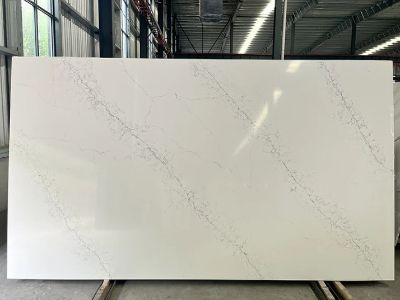
Ensuring consistent product quality is paramount for quartz stone manufacturers, especially in a competitive market. This article explores how these manufacturers maintain high standards, addressing key concerns for B2B buyers such as material integrity, production processes, and quality control measures. Understanding these factors will help purchasing managers, distributors, and engineers make informed decisions when selecting a Artificial Quartz stone supplier.
What to Look for When Choosing a Quartz Stone Supplier?
Selecting a reliable quartz stone supplier involves evaluating several critical factors. First, assess their manufacturing capabilities, including the technology and equipment used in production. Advanced machinery can ensure precise cuts and finishes, which are vital for high-quality quartz Stone Crafts.
Next, consider the supplier's experience in the industry. A supplier like Xiamen Nishi Group Co., Ltd., founded in 2012, has nearly a decade of experience, which can indicate reliability and expertise.
Additionally, inquire about the materials used in the production process. High-quality quartz stones are often produced from natural quartz and resins, and the formulation can affect both durability and appearance. Suppliers should provide clear information on their sourcing practices and material specifications.
Lastly, evaluate the supplier’s quality assurance practices and certifications. Look for suppliers who adhere to recognized industry standards, as this can guarantee a level of quality and reliability in the products offered.
How Quality Control Measures Enhance Quartz Stone Reliability?
Quality control is a cornerstone of quartz stone manufacturing that directly impacts product reliability. Effective quality control measures begin with rigorous material inspection. This includes testing raw materials for consistency in color, size, and composition, which helps prevent defects in the final product.
During production, manufacturers should implement process controls at various stages, including monitoring the mixing of materials and the curing process. For example, ensuring that the resin is mixed in precise ratios with quartz minimizes the risk of weaknesses or inconsistencies in the stone.
Post-production, quality inspections should focus on the finished product. This could involve visual inspections for aesthetic defects and physical testing for durability, such as scratch resistance and water absorption. By maintaining strict quality control protocols, manufacturers can assure buyers of the reliability and durability of their quartz stone products.
Best Practices
To achieve consistent quality in quartz stone production, several best practices can be implemented. First, establish a comprehensive quality management system that includes standard operating procedures for each production stage. This system should also include training for employees to ensure they understand and adhere to quality standards.
Another best practice is to perform regular maintenance on production equipment. Well-maintained machinery is less likely to produce defects, leading to higher overall product quality.
Utilizing advanced technology, such as automated quality inspection systems, can help detect issues early in the production process. This proactive approach enables manufacturers to address problems before they affect the final product.
Finally, fostering open communication with customers can provide valuable feedback. Understanding customer experiences can help manufacturers refine their processes and better meet market demands.
Understanding Cost Factors in Quartz Stone Purchasing
When purchasing quartz stone, understanding the cost factors is essential for making informed decisions. The primary cost components include raw materials, production costs, and logistics.
Raw material costs can vary depending on quality and sourcing. High-quality Stone Monuments and Carvings may come at a premium, but investing in superior materials can lead to better overall performance and longevity of the stone.
Production costs encompass labor, equipment, and the technology used. Suppliers who invest in advanced manufacturing techniques may charge higher prices, but this often results in better quality and fewer defects.
Logistics also play a significant role in the total cost. Factors such as shipping distances, packaging methods, and handling can impact pricing. Buyers should consider these elements when evaluating quotes from suppliers to ensure they are comparing apples to apples.
How Technical Expertise Ensures Consistent Quartz Stone Quality?
Technical expertise in quartz stone manufacturing is crucial for achieving consistent quality. Manufacturers should employ skilled personnel who understand the intricacies of the production process, from material selection to final finishing.
Understanding the technical parameters of quartz stone, such as thickness, density, and surface treatment, is essential for producing a reliable product. For instance, the thickness of a quartz slab can affect its durability and suitability for various applications. Buyers should confirm these specifications based on their intended use, ensuring compatibility with their projects.
Additionally, manufacturers should have the capability to provide customization options. This includes various colors, finishes, and sizes tailored to customer specifications. A knowledgeable supplier can guide customers through these options, ensuring they receive a product that meets their exact requirements.
Incorporating technical expertise into the production process not only enhances the quality of the quartz stone but also builds trust with buyers, as they see that their supplier has the knowledge necessary to deliver high-quality products consistently.