
 EN
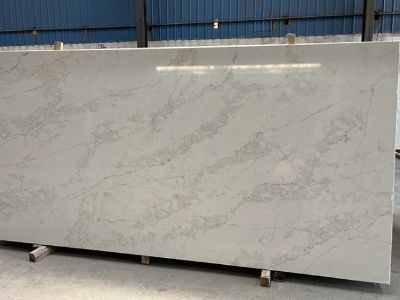
Large format quartz stone has gained prominence in commercial interior projects due to its unique properties and aesthetic appeal. As a durable and versatile material, it addresses key concerns of B2B buyers, such as cost-efficiency, design flexibility, and long-term performance. This article will explore the benefits of large format Artificial Quartz stone, compare it to other materials, provide essential specifications for buyers, guide installation practices, discuss cost factors when sourcing, and highlight common issues along with their solutions.
Comparing Large Format Quartz Stone to Other Materials in Interiors
When considering materials for commercial interiors, large format quartz stone stands out against traditional options like natural stone, ceramic tiles, and laminate.
Durability: Large format quartz stone is engineered to be highly resistant to scratches, stains, and heat, making it suitable for high-traffic areas. Unlike natural stone, which may require sealing and maintenance, quartz is non-porous, reducing the risk of damage from spills.
Aesthetic Versatility: Available in a myriad of colors and patterns, large format quartz stone can mimic the look of natural stones while providing a more uniform appearance. This versatility allows architects and designers to achieve diverse aesthetics without compromising on performance.
Installation Efficiency: The larger size of quartz slabs reduces the number of seams, leading to a more seamless finish. This is particularly beneficial in large spaces, as fewer seams can enhance visual appeal and make installation quicker and easier compared to smaller tiles.
Cost-Effectiveness: While initial costs may be higher than laminate or ceramic options, the longevity and low maintenance requirements of quartz Luxury Stone can lead to savings over time. Its resistance to wear and tear means fewer replacements and lower upkeep costs.
Key Specifications of Large Format Quartz Stone for Buyers
When sourcing large format quartz stone, buyers should consider several crucial specifications:
Dimensions: Large format slabs typically come in sizes exceeding 120 cm x 300 cm. This size not only enhances aesthetic appeal but also reduces waste during installation. Buyers should confirm the specific dimensions that fit their project needs.
Thickness: Common thicknesses range from 1.2 cm to 3 cm. Thicker slabs offer greater durability and can be used in applications requiring additional structural integrity, such as countertops or flooring in commercial spaces.
Finish: The surface finish of quartz stone can vary from polished to honed or textured. Each finish provides different aesthetic qualities and performance characteristics, influencing slip resistance and maintenance requirements.
Color and Pattern: With options ranging from solid colors to intricate veining, choosing the right aesthetic is vital. Buyers should evaluate how color choices align with the overall design theme of the space.
Certification: Verify any relevant certifications that may indicate compliance with safety and environmental standards. This is particularly important in commercial applications where regulatory compliance is essential.
Installation Guidance for Large Format Quartz Stone Applications
Proper installation of large format quartz stone is critical for ensuring its performance and longevity. Here are key considerations:
Surface Preparation: Before installation, the substrate must be clean, dry, and level. Any imperfections can lead to cracking or warping of the slabs.
Adhesives: Use high-quality, flexible adhesives specifically designed for large format stones. These adhesives can accommodate minor movements and prevent issues like delamination.
Support Structures: For countertops, ensure adequate support underneath the stone to prevent sagging or cracking. This may involve using plywood or other materials to reinforce the structure.
Seaming Techniques: If the project requires multiple slabs, precise alignment and professional seaming techniques are necessary to ensure a seamless appearance. This may include using epoxy to fill joints or employing specialized tools for cutting and finishing edges.
Grouting and Sealing: While quartz stone is non-porous and typically does not require sealing, any grout used in the installation should be suitable for the specific environment and application.
Cost Factors When Sourcing Large Format Quartz Stone Wholesale
Understanding the cost factors associated with large format quartz stone is essential for effective budgeting:
Material Costs: Prices can vary based on the quality, color, and sourcing of quartz stone. Premium patterns or unique colors may incur higher costs.
Customization: Custom dimensions or finishes can increase the overall price. Buyers should clearly communicate their requirements to avoid unexpected costs.
Shipping and Handling: Due to the weight and size of large format slabs, shipping costs can be significant. Consider logistics and potential handling fees when calculating the total cost.
Quantity Discounts: Many suppliers offer discounts for bulk orders. Buyers should inquire about minimum order quantities (MOQs) and potential savings on larger purchases.
Installation Costs: Factor in the cost of professional installation, as improper installation can lead to costly repairs down the line.
Common Problems with Large Format Quartz Stone and Their Solutions
While large format quartz stone is known for its durability, certain issues can arise during its life cycle. Here are common problems and their solutions:
Cracking: Cracks can occur due to improper installation or excessive weight. To mitigate this risk, ensure proper support and use flexible adhesives. If a crack develops, consult a professional for repair options, which may include re-epoxying the area.
Chipping on Edges: Chipped edges can result from heavy impact. To prevent this, consider rounded or beveled edges during the manufacturing process. If chipping occurs, repair kits are available that can restore the surface.
Staining: While quartz is generally resistant to stains, prolonged exposure to certain substances can cause discoloration. Promptly clean spills with mild soap and water. For persistent stains, consult the manufacturer for recommended cleaning products.
Heat Damage: Although quartz is heat resistant, extreme temperatures can cause damage. Always use trivets or heat pads under hot items to protect the surface.
Seam Visibility: In some cases, seams may be visible after installation. Ensure proper alignment during installation and consider using color-matched caulk to minimize seam visibility.
By understanding these common issues and their solutions, buyers can better maintain their large format Marble quartz stone installations, ensuring they remain attractive and functional over time.
Table of Contents
- Comparing Large Format Quartz Stone to Other Materials in Interiors
- Key Specifications of Large Format Quartz Stone for Buyers
- Installation Guidance for Large Format Quartz Stone Applications
- Cost Factors When Sourcing Large Format Quartz Stone Wholesale
- Common Problems with Large Format Quartz Stone and Their Solutions