
 EN
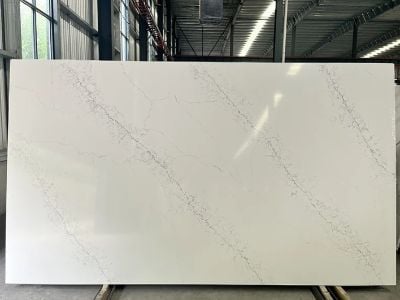
Understanding the intricate balance of resin and mineral ratios is essential in quartz stone formulation engineering, as these factors significantly influence surface performance. For B2B buyers, particularly in manufacturing and construction, key concerns include material durability, aesthetic appeal, and cost-effectiveness. This article delves into how these ratios affect the overall quality of Artificial Quartz surfaces, helping you make informed decisions for your next project.
Resin and Mineral Ratios
In quartz stone formulation, the resin and mineral ratios play a critical role in determining the final product's performance and characteristics. Typically, quartz stone consists of approximately 90% crushed stone (natural quartz) and 10% resin, although this ratio can vary based on specific requirements and applications.
The resin serves as a binding agent that holds the quartz particles together and enhances the material's structural integrity. Higher resin content can lead to improved resistance to impacts and staining, but it may also affect the surface finish and overall appearance. Conversely, increasing the mineral ratio can enhance the stone's natural aesthetics and heat resistance but might compromise its durability.
Understanding the right balance is crucial. For instance, if you require a surface that withstands heavy usage, such as in commercial kitchens, increasing the resin content might be beneficial. However, for applications where natural appearance is prioritized, such as countertops or decorative surfaces, a higher mineral ratio could be more suitable.
How Resin and Mineral Ratios Impact Surface Performance in Quartz Stone?
The impact of resin and mineral ratios on surface performance is significant and multi-faceted. A well-formulated quartz Luxury Stone will exhibit desirable properties such as durability, scratch resistance, and aesthetic appeal, all of which depend on these ratios.
Durability and Strength: Higher resin content generally enhances the strength of the surface, making it less prone to chipping and cracking. This is particularly important in high-traffic areas where durability is a top priority.
Aesthetic Qualities: The mineral ratio influences the visual appeal of the quartz stone. A higher mineral content can yield a more natural look, while varying resin colors can provide unique visual effects. For buyers focused on design, understanding how these ratios affect color and finish is essential.
Surface Finish: The choice of resin also affects the surface finish. For example, a glossy finish can be achieved with specific resins, while others may impart a matte appearance. Buyers should consider the desired aesthetic outcome when discussing formulations with suppliers.
Chemical Resistance: Different resin formulations can provide varying levels of resistance to chemicals and stains. Buyers should evaluate the intended use of the quartz stone to determine the appropriate resin type that can withstand specific exposures.
Evaluating Quartz Stone Specifications for Your Next Project
When sourcing quartz stone, understanding and evaluating the specifications is vital to ensure the material meets your project requirements. Key specifications to consider include:
Thickness: Quartz stone is available in various thicknesses, typically ranging from 12mm to 30mm. Thicker slabs offer greater durability, while thinner options may be more suitable for applications where weight is a concern.
Surface Finish: As mentioned earlier, the finish can vary greatly. Buyers should decide whether a polished, honed, or textured finish is appropriate for the project's aesthetic and functional needs.
Color and Pattern: The visual characteristics of quartz stone should align with the design vision. Requesting samples can help confirm that the product matches your color and pattern expectations.
Resin Type: Inquire about the specific types of resin used in the formulation. This can significantly influence performance characteristics like heat resistance, UV stability, and chemical resistance.
Certifications: Verify if the product meets industry standards for safety and quality, which can provide assurance about the material's performance in various applications.
What Affects Quartz Stone Pricing and Performance?
Several factors influence both pricing and performance in quartz stone, and understanding these can help you optimize your purchasing decisions:
Material Composition: The ratio of resin to minerals directly affects the cost. Higher-quality resins or specialized formulations will typically increase the price. Buyers should assess whether the performance benefits justify the additional cost.
Customization: Custom colors or finishes may incur extra charges. Discuss with suppliers about the feasibility and costs associated with achieving specific design requirements.
Production Volume: Larger orders may lead to reduced pricing per unit due to economies of scale. Establish your project requirements early to negotiate effectively.
Market Demand: Pricing can be influenced by current market trends and demand for specific colors or finishes. Staying informed about market fluctuations can aid in strategic purchasing decisions.
Supply Chain Factors: Shipping, logistics, and other supply chain considerations can impact overall costs. Ensure to factor these in when evaluating quotes from suppliers.
Applications and Benefits Explained
Quartz stone is versatile, making it suitable for a range of applications across various industries. Here are some common uses and their associated benefits:
Countertops: Due to its durability and aesthetic appeal, quartz is a popular choice for kitchen and bathroom countertops. The balance of resin and mineral content ensures that surfaces resist scratches and stains, making maintenance easier.
Flooring: In commercial and residential settings, quartz flooring provides a hard, durable surface that can withstand heavy foot traffic while maintaining its visual appeal.
Wall Cladding: The aesthetic versatility of quartz stone allows it to be used effectively in wall cladding, providing a stylish and durable finish in both interior and exterior applications.
Commercial Spaces: In high-usage environments, such as restaurants or retail spaces, Marble quartz stone's resilience can offer long-term performance benefits, making it an ideal choice for surfaces subject to heavy use.
Design Flexibility: The ability to customize colors and finishes in quartz stone allows designers and architects to realize their creative visions, providing a competitive edge in project bidding.
By understanding the formulation engineering behind quartz stone, particularly the influence of resin and mineral ratios, you can make informed decisions that align with your project needs, ensuring both aesthetic appeal and performance.