
 EN
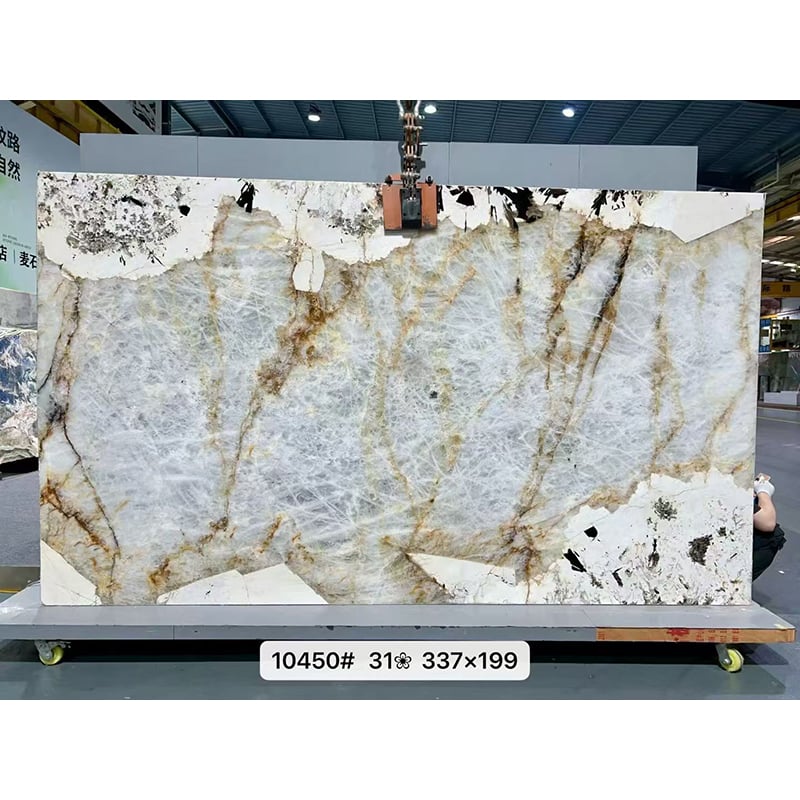
Understanding particle size distribution is crucial when it comes to quartz stone slabs. This characteristic influences slab density and structural consistency, which are vital for various applications in construction and design. For B2B buyers, understanding how particle size distribution affects the overall quality of quartz stone can inform purchasing decisions and ensure that the material meets specific project requirements. We will explore the significance of particle size distribution in quartz stone, how to select a reliable supplier, the impact of particle size on performance, and key considerations for sourcing high-quality quartz stone.
Understanding Particle Size Distribution in Quartz Stone Slabs
Particle size distribution (PSD) refers to the range and frequency of different particle sizes within a material. In quartz stone manufacturing, PSD can significantly affect the physical properties of the final slab, including its density, strength, and durability. A well-distributed particle size allows for optimal packing density, leading to stronger slabs that can withstand stress and pressure in various applications.
For buyers, it's essential to know that a uniform PSD can enhance the structural consistency of artificial quartz slabs. This consistency is vital for applications where load-bearing capacity and aesthetic finishes are paramount. Slabs that are too coarse or too fine can lead to weaknesses in the final product, potentially resulting in defects or failures during installation or use. Therefore, before making a purchase, buyers should inquire about the PSD specifications and how they align with their project demands.
Choosing the Right Quartz Stone Supplier for Consistent Quality
Selecting a reliable quartz stone supplier is fundamental for ensuring consistent quality in particle size distribution and overall slab performance. When evaluating potential suppliers, buyers should consider the following factors:
Manufacturing Capabilities: Assess the supplier's production methods and equipment. Advanced technologies and processes can lead to better control over particle size distribution.
Quality Control Processes: Inquire about the supplier's quality assurance practices. A robust quality control system should include regular testing of PSD to ensure that it meets specified standards.
Certifications and Experience: Look for suppliers with industry certifications and a proven track record. Experience in the field can indicate a supplier's ability to meet quality expectations consistently.
Customization Options: If your project has specific requirements, ensure the supplier can provide customized solutions regarding particle size and other specifications.
By thoroughly vetting suppliers, buyers can ensure they choose a partner that prioritizes quality and consistency in quartz stone slabs.
The Role of Particle Size in Quartz Stone Applications and Performance
Particle size plays a pivotal role in the performance of quartz stone slabs across various applications. Here are some ways in which it impacts functionality:
Strength and Durability: Finer particles can fill voids between larger particles, leading to a denser and more robust slab. This increased density translates to enhanced durability, making the slabs suitable for high-traffic areas in commercial and residential settings.
Aesthetic Finish: The particle size also affects the visual appeal of quartz luxury stone. A well-graded mix can produce a more uniform surface finish, which is crucial for applications like countertops and flooring where aesthetics are a priority.
Thermal and Chemical Resistance: The distribution of particle sizes can influence the slab's resistance to thermal and chemical stresses. For example, finer particles can improve the material's ability to withstand heat and exposure to various chemicals, making them ideal for kitchen countertops.
For buyers, understanding these relationships can facilitate better decision-making when selecting quartz stone for specific applications. It is advisable to discuss the intended application with suppliers to ensure that the chosen particle size distribution aligns with performance expectations.
How to Compare Quartz Stone Options for Your Project Needs
When comparing quartz stone options, several critical aspects should be evaluated to make informed decisions:
Specifications: Review the technical specifications provided by the supplier. Key details include particle size distribution, density, thickness, and surface treatment options. Ensure that these align with your project's requirements.
Sample Approval: Always request samples before finalizing an order. Evaluate the sample's appearance, finish, and physical characteristics to ensure they meet your expectations. Testing samples under actual conditions can also provide insights into performance.
Cost Analysis: Compare pricing among different suppliers, but consider the total cost of ownership rather than just unit price. Factors such as durability, maintenance, and potential for defects should be included in your analysis.
Lead Time and MOQ: Understand the supplier's lead times and minimum order quantities (MOQ). This information will help you plan your project timeline effectively and ensure that you have enough material without over-committing.
By carefully comparing these aspects, you can select the quartz stone option that best fits your project needs while ensuring quality and performance.
Cost Factors in Sourcing High-Quality Quartz Stone for Wholesale Buyers
Sourcing high-quality quartz stone involves various cost factors that can impact your overall investment. Here are some key considerations for wholesale buyers:
Material Quality: The quality of the raw materials used in quartz stone production directly affects the cost. Higher-quality quartz and resins may increase initial costs but lead to better performance and longevity, which can reduce lifecycle costs.
Production Techniques: Advanced manufacturing techniques that ensure precise particle size distribution and enhanced durability may come at a premium. However, these techniques often yield better quality products that justify the higher price.
Shipping and Logistics: Consider the shipping costs associated with transporting quartz stone crafts. Depending on the supplier's location and your project's destination, logistics can significantly affect the total cost.
Market Trends: Stay informed about market trends and fluctuations in demand, as these can influence pricing. Understanding the market landscape can help buyers negotiate better deals.
Volume Discounts: If you are purchasing in bulk, inquire about volume discounts. Many suppliers offer reduced rates for larger orders, which can improve your profit margins.
By being aware of these cost factors, wholesale buyers can make more strategic decisions when sourcing quartz stone, ensuring that they balance quality with budget considerations.
In summary, understanding particle size distribution in quartz stone is essential for optimizing slab density and ensuring structural consistency. By focusing on the key aspects discussed, buyers can navigate the complexities of sourcing quartz stone effectively, ensuring that their projects are successful and sustainable.
Table of Contents
- Understanding Particle Size Distribution in Quartz Stone Slabs
- Choosing the Right Quartz Stone Supplier for Consistent Quality
- The Role of Particle Size in Quartz Stone Applications and Performance
- How to Compare Quartz Stone Options for Your Project Needs
- Cost Factors in Sourcing High-Quality Quartz Stone for Wholesale Buyers