
 EN
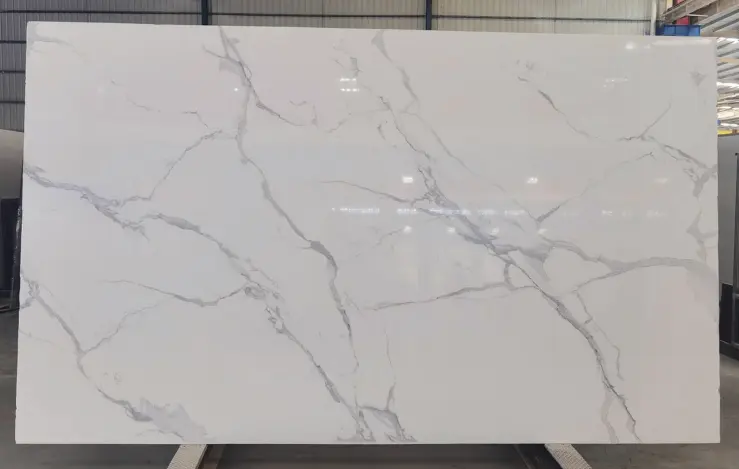
Understanding the importance of curing temperature control is essential for ensuring the mechanical stability of artificial marble. This process directly influences the final product's strength, durability, and overall quality, which are critical concerns for purchasing managers and engineers in the manufacturing sector. We will delve into how curing temperature affects mechanical stability, key specifications for control systems, sourcing reliable suppliers, application scenarios in manufacturing, and common problems along with their effective solutions.
How Curing Temperature Affects Mechanical Stability in Artificial Marble
Curing temperature plays a pivotal role in the mechanical stability of artificial marble. During the curing process, the temperature influences the chemical reactions that occur within the composite materials, typically involving resins and fillers. If the curing temperature is too low, the resin may not fully polymerize, leading to reduced strength and increased brittleness in the final product. Conversely, excessive temperatures can cause rapid curing, leading to internal stresses, warping, or even surface defects.
For manufacturers, understanding the optimal curing temperature range is vital. Typically, artificial marble requires a curing temperature between 20°C to 80°C, depending on the specific resin formulation. Deviating from this range can compromise the material's compressive strength and flexural properties, which are crucial for applications in countertops, flooring, and decorative elements. Regular testing and monitoring of the curing environment can help ensure that the final products meet the necessary mechanical stability criteria.
Key Specifications to Consider for Curing Temperature Control Systems
When evaluating curing temperature control systems, several specifications are crucial. First, consider the temperature range and accuracy of the system. A reliable system should maintain a consistent temperature within ±1°C to ensure uniform curing across batches. Secondly, the response time of the temperature control system is critical; faster response times can better manage fluctuations, preventing potential defects.
Another essential specification is the integration capability with existing manufacturing equipment. Curing systems that can be easily integrated with conveyor belts, molds, or ovens can streamline the production process. Additionally, energy efficiency is increasingly important; systems that minimize energy consumption while maintaining effective curing will be more cost-efficient in the long run.
Lastly, it’s essential to consider the data logging and monitoring capabilities of the curing system. Advanced systems may offer real-time data tracking and alerts, which can aid in quality control and help manufacturers quickly address any temperature deviations that may affect product quality.
Where to Source Reliable Suppliers for Curing Temperature Solutions
Sourcing reliable suppliers for curing temperature control solutions is crucial for ensuring consistent quality in artificial marble production. Start by researching suppliers that specialize in industrial temperature control systems. Look for companies with a proven track record in the stone manufacturing sector, as they will have a better understanding of the specific requirements and challenges.
Trade shows and industry conferences can be excellent venues for meeting potential suppliers and evaluating their offerings firsthand. Additionally, online platforms and industry-specific forums can provide insights into supplier reputations and customer feedback. When selecting a supplier, consider their responsiveness to inquiries, willingness to provide technical support, and the availability of customization options to meet specific production needs.
It’s also beneficial to request case studies or references from previous clients to gauge their experience and the effectiveness of their solutions in similar manufacturing environments.
Application Scenarios of Curing Temperature Control in Manufacturing
Curing temperature control is applicable in various manufacturing scenarios involving artificial marble. For instance, in large-scale production, consistent temperature control is vital to ensure that each batch of artificial marble has uniform mechanical properties. This consistency is particularly important for products like countertops, where structural integrity is non-negotiable.
In smaller-scale or custom production, precise temperature management can be crucial for complex designs or color variations. For example, when using pigmented resins, maintaining the right temperature can prevent color fading or uneven distribution of pigments, which can affect the aesthetic quality of the final product.
Additionally, in cases where artificial marble is combined with other materials, such as metals or glass, the curing temperature must be carefully managed to avoid thermal expansion issues that could lead to delamination or cracking. Understanding these application scenarios helps manufacturers make informed decisions about their curing processes and the systems they implement.
Common Problems with Curing Temperature and Their Effective Solutions
Several common problems can arise from improper curing temperature management, each impacting the mechanical stability of artificial marble stone crafts. One significant issue is the occurrence of bubbles or voids in the material, often caused by rapid curing at high temperatures. To mitigate this, manufacturers should ensure that the curing process is gradual, allowing gases to escape before the resin hardens.
Another problem is the risk of warping or distortion, typically resulting from uneven temperature distribution during curing. To address this, investing in well-designed molds that promote even heat distribution can be beneficial. Additionally, regular maintenance and calibration of curing equipment can help maintain consistent temperatures across all production runs.
Finally, manufacturers may encounter challenges related to adhesion between layers when using multi-layer formulations. Inadequate curing temperatures can lead to weak interfaces between layers. It is crucial to implement strict temperature monitoring protocols throughout the curing phase to ensure that each layer achieves the necessary adhesion strength.
By addressing these common issues with targeted solutions, manufacturers can enhance the quality and mechanical stability of their artificial marble products, ultimately resulting in increased customer satisfaction and reduced waste.
Table of Contents
- How Curing Temperature Affects Mechanical Stability in Artificial Marble
- Key Specifications to Consider for Curing Temperature Control Systems
- Where to Source Reliable Suppliers for Curing Temperature Solutions
- Application Scenarios of Curing Temperature Control in Manufacturing
- Common Problems with Curing Temperature and Their Effective Solutions