
 EN
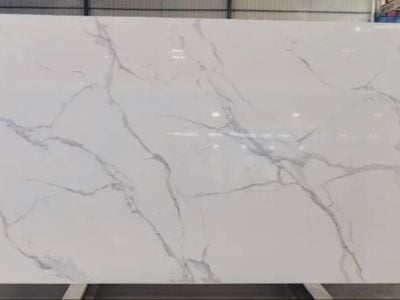
Vacuum compaction technology plays a crucial role in the production of quartz stone slabs, enhancing the quality and durability of the final products. This article delves into the principles of vacuum compaction technology, its specifications, and the comparison with traditional methods in stone production. It also provides insights into the characteristics of vacuum-compacted quartz stones and offers practical installation guidance. Understanding these elements is essential for purchasing managers, distributors, and engineers who seek high-quality quartz stone slabs for their projects
Understanding Vacuum Compaction Technology in Quartz Stone Slabs
Vacuum compaction technology is an advanced manufacturing process that involves applying vacuum pressure during the production of quartz Stone slabs. This method enhances the density and structural integrity of the slabs by removing air pockets and consolidating the materials more effectively than conventional techniques
The process typically begins with a mixture of crushed quartz, resins, and pigments. Once the mixture is prepared, it is placed in a mold. The vacuum compaction system then evacuates air from the mold, creating a pressure differential that compacts the mixture. This results in a solid, dense slab with a uniform appearance and superior mechanical properties
A key advantage of vacuum compaction is its ability to produce slabs with fewer defects, such as voids or inconsistencies in composition. This process is particularly beneficial for applications in commercial and residential construction, where durability and aesthetics are paramount
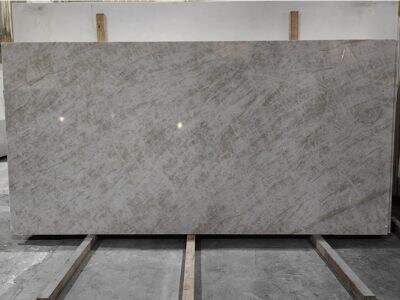
Key Specifications for Vacuum-Compacted Quartz Stone Slabs
When evaluating vacuum-compacted quartz stone slabs, several key specifications should be considered
Density: A higher density generally indicates better durability and resistance to damage. Ideal densities for quartz slabs often range from 2.0 to 2.5 g/cm³
Thickness: Common thicknesses for slabs are typically between 12mm to 30mm, depending on the application. Thicker slabs may offer increased durability but can also add weight
Surface Finish: The surface finish can vary from polished to honed or textured. Polished finishes are often preferred for aesthetic applications, while honed finishes provide a more matte look and are less prone to showing scratches
Color and Pattern Consistency: Vacuum compaction allows for uniform color distribution, which is essential for aesthetic applications. Buyers should check samples to ensure desired color and pattern consistency across batches
Mechanical Properties: Key properties such as flexural strength, abrasion resistance, and thermal stability should be verified. High flexural strength (often exceeding 30 MPa) is crucial for applications involving load-bearing surfaces
Comparing Vacuum Compaction vs. Traditional Methods in Stone Production
The traditional methods of Stone production typically involve less advanced techniques, such as gravity casting or pressure molding without vacuum assistance. While these methods can produce acceptable results, they often lead to variations in density and structural integrity
Quality Control: Vacuum compaction technology facilitates stricter quality control by minimizing air entrapment, which can lead to weak spots in the material Traditional methods may result in inconsistent quality due to the nature of the mixing and casting processes
Efficiency: The vacuum process reduces the need for extensive post-production treatments, such as polishing or repairing defects. This can lead to lower production costs and faster turnaround times
Environmental Impact: Vacuum compaction can be more environmentally friendly as it often uses less material and produces less waste compared to traditional methods, which may require additional finishing processes
Customization: Vacuum compaction technology allows for greater customization in terms of colors, patterns, and finishes, meeting the diverse needs of different applications more effectively than traditional methods
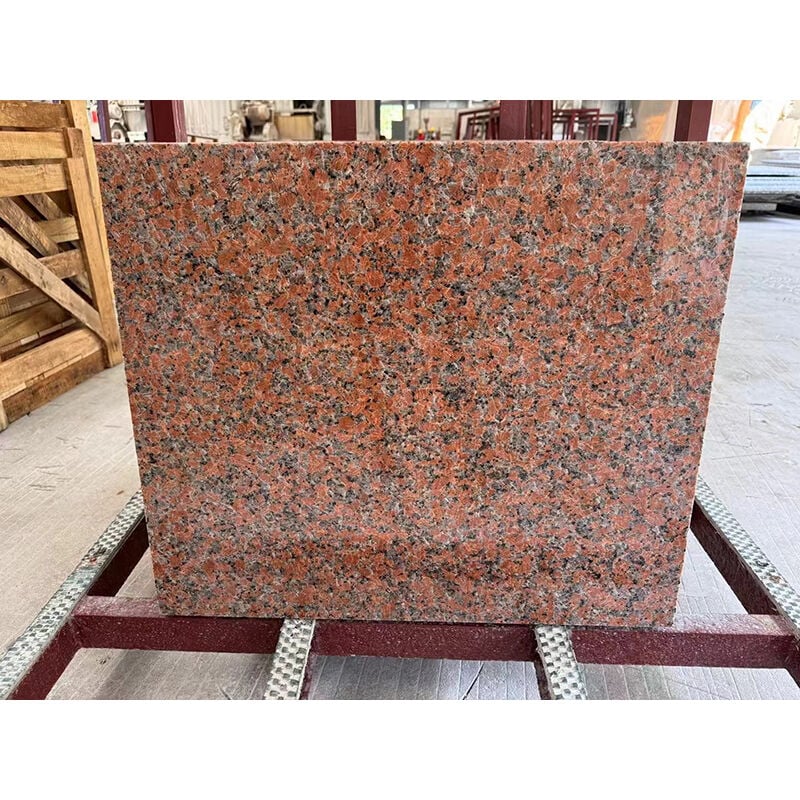
Vacuum-Compacted Quartz Stones Explained
Vacuum-compacted quartz stones are engineered surfaces made predominantly of natural quartz crystals, resins, and pigments. This technology not only enhances the aesthetic appeal of the slabs but also significantly improves their functional properties
The engineering of these stones allows for a variety of applications, from countertops and flooring to wall cladding and commercial fixtures. Their resistance to scratching, staining, and heat makes them suitable for high-traffic and high-use environments. Furthermore, their non-porous nature means they are less likely to harbor bacteria, making them a hygienic choice for kitchens and bathrooms
Buyers should also consider the certifications and compliance of these products with industry standards, ensuring they meet local building regulations and safety norms
Installation Guidance for Vacuum-Compacted Quartz Stone Products
Proper installation is essential to maximize the performance and longevity of vacuum-compacted quartz Stone slabs. Here are key considerations for the installation process
Surface Preparation: Ensure that the substrate is clean, level, and dry before installation. Any imperfections in the substrate can affect the overall appearance and performance of the slab
Adhesive Selection: Use high-quality adhesives specifically designed for quartz stone installation. It is essential to follow the manufacturer's recommendations for adhesive types and application methods
Seaming and Jointing: Pay careful attention to seams and joints. The use of color-matched epoxy adhesives can help create a seamless appearance while ensuring strength and durability
Post-Installation Care: After installation, allow the adhesive to cure fully before exposing the surfaces to heavy use. Regular cleaning with non-abrasive cleaners will help maintain the appearance of the slabs
Temperature and Humidity Control: Maintain appropriate temperature and humidity levels during and after installation to facilitate proper curing of adhesives and prevent warping or cracking
By understanding these aspects of vacuum compaction technology in quartz stone slab production, buyers can make informed decisions that align with their quality and performance expectations
Table of Contents
- Understanding Vacuum Compaction Technology in Quartz Stone Slabs
- Key Specifications for Vacuum-Compacted Quartz Stone Slabs
- Comparing Vacuum Compaction vs. Traditional Methods in Stone Production
- Vacuum-Compacted Quartz Stones Explained
- Installation Guidance for Vacuum-Compacted Quartz Stone Products