
 EN
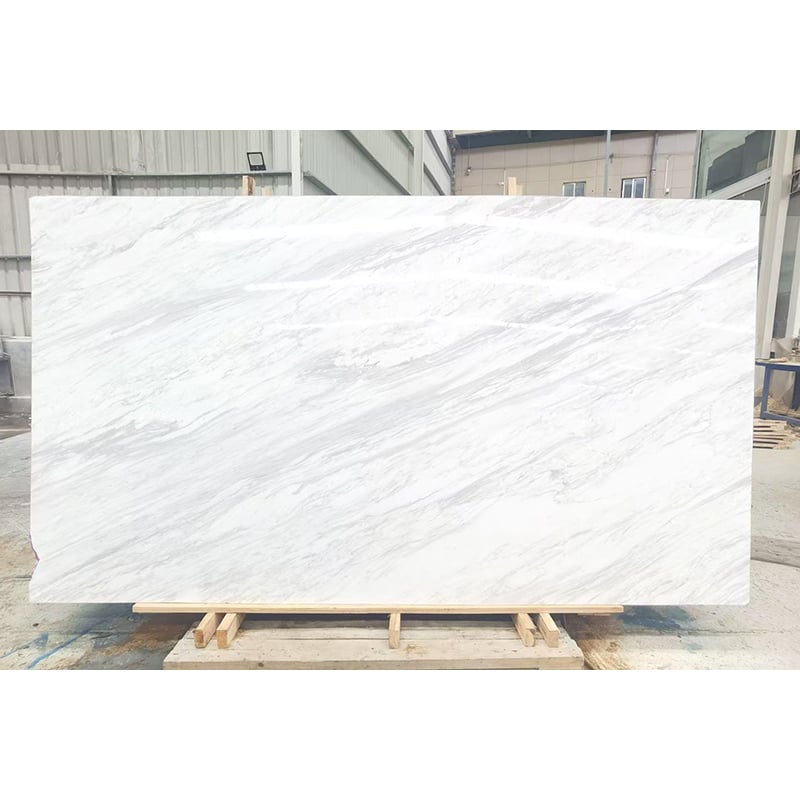
Understanding flatness control in artificial marble production is essential for manufacturers aiming to produce high-quality slabs that meet market demands. Flatness control in artificial marble production: process variables behind slab deformation can significantly impact the usability and aesthetic appeal of the final product. Buyers often seek assurance about quality, consistency, and application suitability. This article will delve into the factors affecting flatness control, how to assess artificial marble slabs, cost implications, application areas, and how to select the right product for specific project needs.
Understanding Flatness Control Variables in Artificial Marble Production
Flatness control in artificial marble production primarily hinges on several process variables, including material selection, mixing process, curing conditions, and the machinery used in production. The raw materials, typically composed of resins, pigments, and aggregates, must be proportioned accurately to ensure uniformity in the final product.
During mixing, the method and duration can influence how well the materials combine, affecting the slab's integrity. Furthermore, the curing process whether it's heat or ambient plays a crucial role in determining the final hardness and flatness of the slabs. Any inconsistencies in temperature or humidity can lead to deformation, resulting in slabs that do not meet industry standards.
Additionally, the machinery used, such as vibrators and presses, must be calibrated correctly to ensure even pressure distribution across the slab. A common issue arises when the pressure is uneven, leading to warping or bowing during the curing phase. Buyers should collaborate closely with manufacturers to understand the specific processes in place and how these can be optimized for flatness control.
How to Evaluate the Quality of Artificial Marble Slabs
Evaluating the quality of artificial marble slabs involves assessing several key factors: flatness, surface finish, color consistency, and structural integrity. Flatness can be measured using a straightedge or level across the surface of the slab. A deviation of more than a few millimeters could indicate production issues.
Surface finish is also critical; the slab should be free from scratches, bubbles, or other imperfections that can detract from its appearance. Color consistency is important, especially for projects requiring a uniform look. Variations in color can arise from improper mixing or the use of substandard pigments.
Structural integrity can be tested by checking for any signs of delamination or brittleness. Buyers are advised to request samples and conduct thorough inspections against these parameters. Collaborating with a trusted manufacturer like Xiamen Nishi Group can help ensure that these quality checkpoints are met before mass production.
Cost Considerations for Flatness Control in Marble Production
The cost implications of flatness control in artificial marble production can be multifaceted. Factors influencing pricing include raw material quality, production processes, and technological investments in machinery. High-quality resins and pigments can increase raw material costs but often result in superior final products.
Investing in advanced machinery that ensures better flatness control can also lead to higher initial capital outlay. However, it can result in long-term savings by reducing waste and improving production efficiency. Additionally, thorough quality control measures throughout the production process can minimize the risk of defects, thus reducing costs associated with rework and returns.
Buyers should consider the total cost of ownership when evaluating suppliers, factoring in not only the price per slab but also the potential costs associated with lower-quality products, such as installation challenges or customer dissatisfaction.
Applications of Flatness-Controlled Artificial Marble in Projects
Flatness-controlled artificial marble finds applications across various industries, including construction, interior design, and furniture manufacturing. In construction, it is often used for countertops, flooring, and wall cladding, where aesthetic appeal and structural stability are crucial.
In interior design, the uniformity and versatility of artificial marble allow designers to create seamless surfaces that enhance the visual flow of spaces. For furniture manufacturers, flatness-controlled slabs can be incorporated into tables, cabinets, and other furnishings, ensuring a high-quality finish that meets client expectations.
The benefits of flatness control extend to installation as well; slabs that meet stringent flatness standards are easier to fit and align, reducing installation time and labor costs. Buyers should consider the specific applications they have in mind and discuss their needs with manufacturers to ensure the right product is selected.
How to Choose the Right Artificial Marble for Your Project Needs
Selecting the right artificial marble for specific project needs involves evaluating several critical factors, including material properties, design requirements, and budget constraints. Buyers should start by defining the specific application of the marble, as this will determine the necessary material characteristics, such as durability, resistance to staining, and finish.
Material properties, including thickness and composition, should be chosen based on the expected load and usage environment. For instance, thicker slabs may be required for high-traffic areas, while lighter slabs may be suitable for decorative applications.
Design requirements often dictate color and pattern choices, and buyers should request samples to ensure alignment with their vision. Budget considerations should also be front and center; while higher-quality materials may come with a higher price tag, they often provide better longevity and aesthetic appeal, translating to overall cost savings in the long run.
Understanding flatness control in artificial marble stone crafts production requires a comprehensive approach encompassing process variables, quality assessment, cost considerations, and application suitability. By collaborating with experienced manufacturers like Xiamen Nishi Group, buyers can ensure they make informed decisions that meet their project specifications and deliver high-quality results.
Table of Contents
- Understanding Flatness Control Variables in Artificial Marble Production
- How to Evaluate the Quality of Artificial Marble Slabs
- Cost Considerations for Flatness Control in Marble Production
- Applications of Flatness-Controlled Artificial Marble in Projects
- How to Choose the Right Artificial Marble for Your Project Needs