
 EN
EN
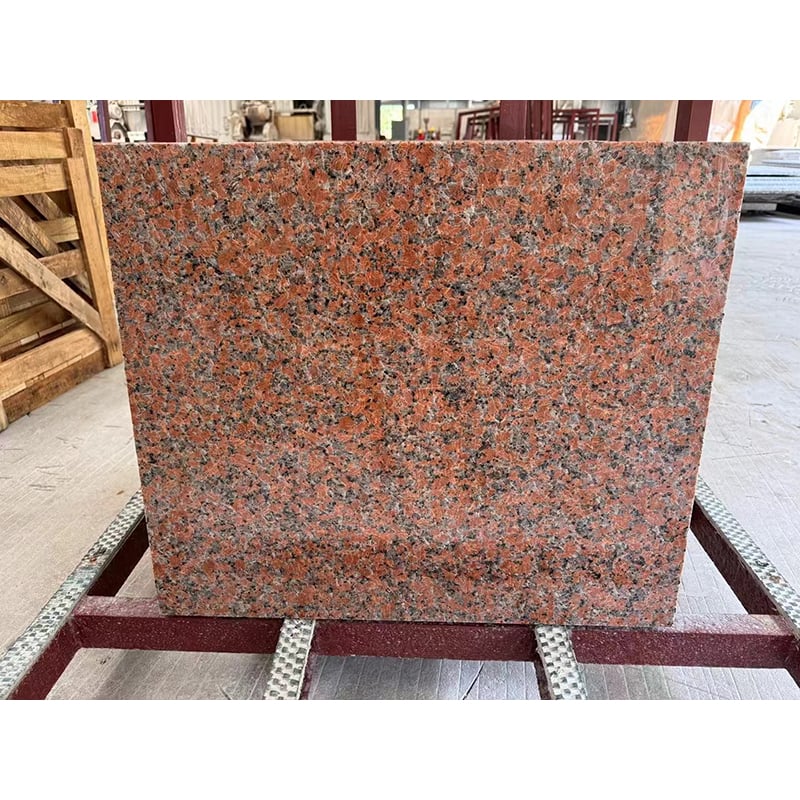
Choosing the right kitchen countertop material is crucial for any project, as it impacts not only the aesthetic appeal but also the functionality and durability of the space. We will explore the characteristics of four popular options: quartz, granite, marble, and solid Luxury Stone surface. We will address common buyer concerns, such as material selection, cost factors, installation tips, and application suitability, helping you make an informed decision based on your specific needs.
What to Consider When Choosing Kitchen Countertop Materials?
When selecting a kitchen countertop material, several factors should be considered to ensure the best fit for your project. First, evaluate the aesthetic requirements—different materials offer various colors, patterns, and finishes that can significantly influence the overall look of your kitchen. Next, consider the durability and maintenance needs of each material. For instance, granite is renowned for its toughness, while marble is more susceptible to staining and scratching.
Another important consideration is the intended use of the countertop. If the kitchen is frequently used for cooking and entertaining, a more resilient material like quartz or granite may be preferable. Additionally, assess the budget constraints, as prices can vary widely among materials. Finally, think about the installation process, as some materials require specialized labor or tools.
Key Specifications for Quartz, Granite, Marble, and Solid Surfaces
Understanding the specifications of each countertop material is essential for making the right choice.
Quartz: An engineered stone, quartz countertops are composed of approximately 90% crushed natural quartz combined with resins and pigments. Key specifications include thickness (typically 1-1/4 inches), a wide range of colors, and a non-porous surface, making it resistant to stains and bacteria.
Granite: This natural stone is known for its unique variations and durability. Granite countertops usually have a thickness of 3/4 to 1 inch. They require sealing to prevent staining and offer a high resistance to heat and scratches.
Marble: Valued for its elegance, marble is softer than granite and more prone to scratches and etching. It typically comes in thicknesses of 1 to 1-1/4 inches and requires regular maintenance to keep its surface intact.
Solid Surface: Made from acrylic or polyester, solid surface materials can mimic the look of natural stone while offering seamless installation. Specifications often include a variety of colors and patterns, with thicknesses around 1/2 to 1 inch. They are non-porous and can be easily repaired if scratched.
Understanding these specifications will help buyers evaluate which material aligns with their project demands and expected usage.
Cost Factors in Selecting Kitchen Countertop Materials for Projects
The cost of countertop materials can vary significantly based on various factors. For example, granite and marble are generally more expensive due to their natural sourcing and extraction processes. Prices can also be influenced by the complexity of the installation, as intricate designs or custom shapes may require additional labor.
Quartz countertops are often priced competitively due to their engineered nature and widespread availability. Solid surfaces may range in price depending on the brand and design complexity. Buyers should also consider the total cost of ownership, which includes installation, maintenance, and potential repairs over time.
When requesting quotes, it's essential to provide detailed specifications, including material type, dimensions, and any custom requirements. This will help suppliers offer accurate Stone Monuments and Carvings pricing and lead times.
Installation Tips for Quartz, Granite, Marble, and Solid Surfaces
Proper installation is crucial to the performance and longevity of kitchen countertops. Here are some tips specific to each material:
Quartz: Ensure the substrate is level and structurally sound before installation. Quartz is heavy, so proper support is necessary. Avoid exposing the countertop to extreme heat; use trivets for hot pots.
Granite: Because of its weight, granite requires careful handling. It should be installed by professionals who understand the nuances of working with natural stone. Sealing should be done before use, and it’s recommended to reapply sealant annually.
Marble: Installations should consider that marble is more brittle than granite. Use a flexible adhesive to accommodate potential movement. Regular sealing is essential to maintain its appearance.
Solid Surface: Solid surfaces can be cut and shaped easily, allowing for seamless installations. Make sure to follow the manufacturer's guidelines for adhesives and finishing to avoid any issues.
Taking these installation tips into account will ensure that the countertop not only looks great but also performs well over time.
Applications of Quartz, Granite, Marble, and Solid Surfaces in Kitchens
Each countertop material has unique applications that can enhance kitchen functionality and style:
Quartz: Ideal for busy kitchens, quartz is stain-resistant and low-maintenance, making it suitable for both residential and commercial applications. Its non-porous surface is excellent for areas where food is prepared.
Granite: With its natural beauty, granite works well in high-end residential kitchens. Its durability also makes it suitable for restaurants and food service areas where heat resistance is essential.
Marble: Often used in luxury kitchens, marble provides a classic aesthetic. However, due to its susceptibility to stains, it's best suited for less intensive applications, such as decorative island tops.
Solid Surface: Versatile and customizable, solid surfaces are perfect for modern kitchens. They can be shaped into various forms, making them suitable for unique designs and integrated sinks.
Understanding the ideal applications for each material will help buyers select the best option based on their specific needs and kitchen usage.
By considering these factors, specifications, and applications, buyers can make informed decisions about which kitchen countertop material—be it Artificial Quartz, granite, marble, or solid surface—best fits their project requirements. Each material has its strengths and weaknesses, and understanding these will lead to a successful purchase and installation experience.
Table of Contents
- What to Consider When Choosing Kitchen Countertop Materials?
- Key Specifications for Quartz, Granite, Marble, and Solid Surfaces
- Cost Factors in Selecting Kitchen Countertop Materials for Projects
- Installation Tips for Quartz, Granite, Marble, and Solid Surfaces
- Applications of Quartz, Granite, Marble, and Solid Surfaces in Kitchens