
 EN
EN
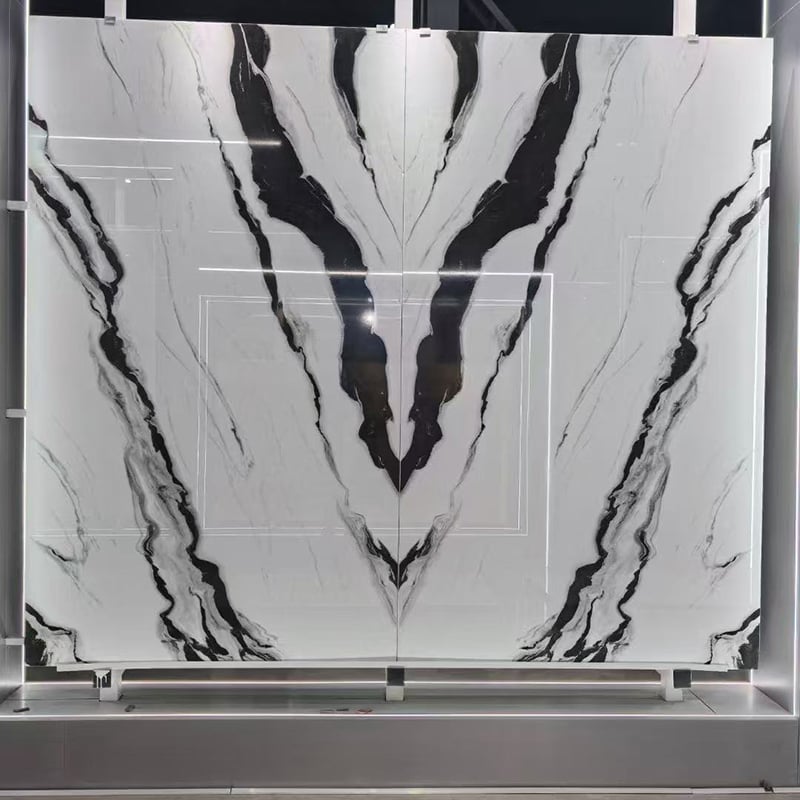
Understanding how kitchen countertop thickness affects performance and installation is crucial for B2B buyers in the stone industry. The thickness of a Stone Monuments and Carvings countertop can influence not only its durability and aesthetic appeal but also its installation requirements and overall cost. This article will explore the essential aspects of countertop thickness, providing insights that help purchasing managers, distributors, and engineers make informed decisions when sourcing these materials.
What Buyers Should Know?
When considering kitchen countertops, thickness is a fundamental specification that directly impacts various performance factors. Common thickness options range from 1.5 cm to 3 cm, with each thickness catering to different applications and design preferences. Buyers should evaluate the intended use of the countertop—whether for residential or commercial spaces—as this will influence the choice of thickness.
In addition to aesthetics, it is essential to understand how thickness affects the installation process. Thicker countertops may require additional support during installation and can impact the choice of cabinetry beneath. Therefore, buyers should communicate their specific needs and applications when requesting quotes from suppliers, ensuring that the selected thickness aligns with their project requirements.
How Thickness Influences Countertop Functionality
The functionality of a kitchen countertop is significantly affected by its thickness. Thicker countertops generally offer enhanced durability and can better withstand impacts, scratches, and thermal stress. For example, a 3 cm thick granite countertop provides superior resistance to cracking compared to a thinner 2 cm option.
Moreover, thickness can affect the countertop's weight, which is an important consideration during installation. Thicker materials may necessitate structural support adjustments to ensure stability. Buyers should assess these factors thoroughly, as choosing the wrong thickness could lead to complications during installation or even compromise the countertop's performance over time.
Specifications to Consider
When selecting the appropriate countertop thickness, buyers should consider several specifications:
Material Type: Different materials, such as granite, quartz, or marble, have varying strength and weight characteristics. Granite, for instance, can be produced in both 2 cm and 3 cm thicknesses, while quartz surfaces may have additional options for customization.
Dimensions: The dimensions of the countertop play a crucial role in determining the overall thickness required. Larger surfaces may benefit from greater thickness to prevent bowing or warping.
Edge Profile: The design of the edge profile can also dictate the ideal thickness. Certain edge finishes, such as bullnose or beveled, may look more visually appealing on thicker countertops.
Usage Requirements: Evaluating whether the countertop will be exposed to heavy usage, such as in a commercial kitchen, can influence the choice of thickness. For high-traffic areas, opting for a thicker surface can provide added durability.
Buyers should work closely with suppliers to ensure all specifications align with their project goals, as this will help in securing the best possible Artificial Marble product for their needs.
The Role of Thickness in Countertop Durability
Durability is a key concern for buyers when selecting kitchen countertops. Thicker countertops generally provide superior longevity and resistance to wear and tear. For instance, a 3 cm granite countertop is less likely to chip or crack under stress compared to a thinner variant.
Furthermore, thicker materials tend to resist thermal shock better, which is vital in kitchens where hot pans and heavy objects are frequently used. Buyers should consider the operational environment of the countertop—commercial kitchens may demand more robust options compared to residential settings.
In addition, thickness can influence the ease of maintenance. Thicker surfaces often require less frequent sealing and can be easier to clean, making them a practical choice for busy kitchen environments. Understanding these durability aspects can guide buyers toward making a more informed selection based on their specific application needs.
How Thickness Affects Kitchen Countertop Pricing?
The thickness of a kitchen countertop directly impacts its cost, with thicker materials generally commanding higher prices. This increase can be attributed to several factors:
Material Cost: Thicker slabs require more raw material, which naturally raises the price. For example, a 3 cm thick slab of quartz will typically cost more than a 2 cm slab due to the additional material used in production.
Installation Complexity: Thicker Artificial Quartz countertops often require specialized installation techniques and may necessitate additional support structures. This can lead to increased labor costs during installation.
Transport and Handling: Heavier materials can incur higher shipping costs and require more careful handling during transport, further impacting the overall price.
Buyers should consider their budget in relation to the performance requirements of the countertop. While a thicker material may be more expensive upfront, it could offer better long-term value through increased durability and reduced maintenance costs. When preparing a request for quotation (RFQ), it’s advisable to specify the desired thickness alongside other requirements to receive accurate pricing.
understanding how kitchen countertop thickness affects performance and installation can significantly aid B2B buyers in making informed decisions. By considering the implications of thickness on functionality, specifications, durability, and pricing, purchasing managers, engineers, and distributors can select the right countertops that meet their project needs effectively.