
 EN
EN
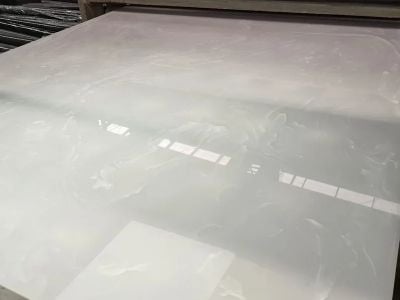
Artificial marble is a versatile material increasingly favored in bathroom manufacturing due to its aesthetic appeal and durability. When considering artificial marble for bathroom applications, buyers often face concerns regarding material selection, quality assurance, and suitability for specific designs. This article aims to provide a comprehensive overview of the essential factors to consider when selecting artificial marble for bathrooms, ensuring that purchasing managers, designers, and engineers can make informed decisions.
What to Consider When Choosing Artificial Marble for Bathrooms?
Selecting the right artificial marble for bathroom applications involves several critical considerations. Firstly, the intended use should guide the material choice. For instance, surfaces that will experience high moisture exposure need materials with excellent water resistance and low porosity. Additionally, color and pattern selection impacts both aesthetics and the ability to hide stains or water spots.
Thickness is another crucial factor; thicker slabs generally offer better durability and resistance to cracking or chipping, making them suitable for countertops and shower walls. Buyers should also assess the finish of the artificial marble. A polished finish enhances the material's shine but may require more maintenance than a matte or textured finish, which can help camouflage scratches and wear.
Lastly, buyers should consider the source of the Artificial Marble. Materials from reputable manufacturers, like Xiamen Nishi Group Co., Ltd., known for its integrated approach in the stone industry, often ensure consistent quality and performance, which is essential for long-term satisfaction.
Key Specifications for High-Quality Artificial Marble Products
When evaluating artificial marble products, several specifications are vital to ensure quality. Key specifications include:
Material Composition: High-quality artificial marble typically contains a blend of resins and natural stone powders. This combination affects the material's durability, weight, and aesthetic appearance. Buyers should confirm the proportions used in the manufacturing process, as this can significantly impact performance.
Dimensions: Buyers should verify the thickness and dimensions of the slabs. Common thicknesses range from 12mm to 30mm, with thicker slabs providing greater strength. The dimensions must also align with the intended application to avoid cutting or fabrication issues.
Surface Finish: The surface treatment can affect both appearance and maintenance. Glossy finishes may enhance visual appeal but can show scratches more readily than matte surfaces. Buyers should evaluate the finish type that best suits their needs.
Color Stability: Marble should exhibit color fastness, particularly in environments exposed to sunlight or moisture. Buyers should request samples to assess color consistency and resistance to fading over time.
Water Absorption Rate: A lower absorption rate indicates better moisture resistance, which is critical for bathroom applications. Buyers should check this specification to ensure the material can withstand humid conditions without degrading.
Common Problems with Artificial Marble and Their Solutions
Despite its advantages, artificial marble can present challenges. Here are some common issues and their solutions:
Scratches and Scuffs: Artificial marble surfaces can become scratched over time, particularly in high-traffic areas. To mitigate this, buyers should consider opting for a textured finish that can disguise minor wear. Additionally, regular maintenance with appropriate cleaning agents can help preserve the finish.
Discoloration: Exposure to harsh chemicals or prolonged moisture can lead to discoloration. It’s advisable to use pH-neutral cleaners and avoid abrasive scrubbing pads when maintaining the surface. Regular sealing can also help protect against stains.
Cracking: Improper installation or insufficient thickness can lead to cracking under pressure. To prevent this, ensure that the material is adequately supported during installation and select a thickness appropriate for the intended application, especially for countertops.
Seams: Visible seams can detract from the overall aesthetic of the installation. Choosing larger slabs and working with experienced fabricators can minimize seams and improve the finished appearance.
How to Ensure Quality Control in Artificial Marble Manufacturing?
Quality control is paramount in artificial marble manufacturing. Key steps in the process include:
Raw Material Inspection: The quality of artificial marble begins with the raw materials. Manufacturers should conduct thorough inspections of resin and stone powders before production. This ensures that only high-quality materials are used.
In-Process Testing: During production, periodic testing of material properties, such as hardness and flexibility, can help identify any deviations from quality standards. Implementing a standardized testing protocol ensures consistency.
Final Quality Checks: Before shipping, each slab should undergo a final inspection to check for defects, color consistency, and adherence to specified dimensions. This step is crucial for maintaining high standards and customer satisfaction.
Customer Feedback Mechanisms: Manufacturers should establish channels for customer feedback to continuously improve quality processes. This can include follow-up surveys or direct communication regarding product performance.
By adhering to these quality control measures, manufacturers like Xiamen Nishi Group can ensure that their artificial marble products meet and exceed industry standards.
Exploring the Advantages of Artificial Marble in Bathroom Design
Artificial marble offers numerous advantages that make it an excellent choice for bathroom design:
Aesthetic Versatility: Available in a wide range of colors and patterns, artificial marble can fit various design themes, from modern to classic. Its ability to mimic natural stone provides the luxury look without the high cost.
Durability: Artificial marble is resistant to moisture and staining, making it ideal for bathrooms. Unlike natural stone, it does not require sealing, reducing long-term maintenance efforts.
Ease of Fabrication: The manufacturing process of artificial marble allows for more flexibility in shapes and sizes. This adaptability enables designers to create custom pieces that fit unique bathroom layouts.
Cost-Effectiveness: Compared to natural stone, artificial marble is often more affordable, providing budget-conscious buyers with a high-quality option that doesn’t compromise on appearance or function.
Sustainability: Many manufacturers are now producing eco-friendly artificial marble options, incorporating recycled materials in their compositions. This appeals to environmentally conscious consumers looking to reduce their ecological footprint.
In summary, understanding the various aspects of Artificial Quartz for bathroom manufacturing from material selection to quality control enables buyers to make informed decisions that align with their specific project needs.
Table of Contents
- What to Consider When Choosing Artificial Marble for Bathrooms?
- Key Specifications for High-Quality Artificial Marble Products
- Common Problems with Artificial Marble and Their Solutions
- How to Ensure Quality Control in Artificial Marble Manufacturing?
- Exploring the Advantages of Artificial Marble in Bathroom Design