
 EN
EN
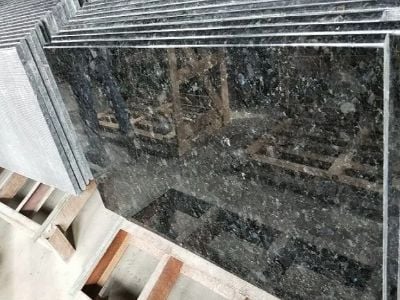
Matching quartz stone slabs for large continuous installations requires careful consideration of various factors, from selecting the right slabs to ensuring proper installation techniques. As a purchasing manager or distributor in the B2B sector, understanding how to choose and source these materials effectively is crucial. This article will guide you through the essentials of selecting Artificial Quartz stone slabs that meet your project needs, evaluating suppliers, understanding quality standards, and implementing best practices for installation.
How to Choose the Right Quartz Stone Slabs for Your Project?
Choosing the right quartz stone slabs begins with understanding the specific requirements of your project. Consider the following factors:
Application Suitability: Identify where the slabs will be installed whether in commercial spaces, residential areas, or high-traffic zones. Some slabs may be more suitable for certain environments due to their durability and maintenance requirements.
Material Composition: Quartz stone slabs are engineered products combining natural quartz crystals and resins, offering strength and a variety of Stone Monuments and Carvings finishes. Ensure that the material specifications align with the aesthetic and functional needs of your project.
Dimensions and Thickness: The size and thickness of the slabs can significantly impact both aesthetics and performance. Common thicknesses range from 12mm to 30mm. Consider the structural requirements and the visual continuity you desire across large installations.
Color and Pattern Matching: For large continuous installations, especially in commercial settings, matching colors and patterns is essential. Request samples to ensure visual consistency across slabs.
Customization Options: Depending on your project's unique needs, explore customization options such as edge profiles, finishes, and surface treatments. These details can influence both the appearance and functionality of the slabs.
Where to Source Reliable Quartz Stone Suppliers for Bulk Orders?
Finding a reliable supplier for bulk orders of quartz stone slabs is critical for ensuring timely project completion and quality assurance. Here are key points to consider:
Established Industry Presence: Look for suppliers with a solid reputation in the industry, such as Xiamen Nishi Group Co., Ltd., which has experience in Stone Crafts production and processing since 2012. Their established market presence often reflects reliability and quality.
Production Capacity: Confirm the supplier’s production capacity to meet your order requirements. A supplier with robust manufacturing capabilities can handle large orders efficiently while maintaining quality standards.
Quality Control Processes: Ensure that the supplier has quality control measures in place. This includes rigorous inspection during production and before shipment to confirm that slabs meet specified standards.
Certifications and Compliance: Check for relevant industry certifications that may indicate adherence to quality and safety standards. This can include certifications related to material safety, environmental compliance, and manufacturing processes.
Customer Reviews and References: Research customer feedback and request references to gauge the supplier's reliability and service quality. Testimonials from previous clients can provide insight into their overall performance.
Understanding the Quality Standards for Quartz Stone Slabs
Quality standards for quartz stone slabs encompass several critical aspects:
Material Composition: High-quality quartz slabs typically consist of at least 90% natural quartz crystals combined with resins. Understanding the composition helps evaluate the material's durability and suitability for specific applications.
Surface Finish: The slab should have a uniform surface finish without blemishes or defects. Common finishes include polished, honed, and textured. Each finish provides different aesthetic qualities and levels of maintenance.
Dimensional Tolerances: Verify that the slabs meet industry dimensional tolerances. Consistent thickness and straight edges are crucial for a seamless installation, especially in large continuous applications.
Performance Characteristics: Assess the slabs for performance characteristics such as scratch resistance, heat resistance, and stain resistance. These factors will affect the longevity and maintenance of the installation.
Testing & Certification: Request information regarding any testing the slabs have undergone, such as water absorption tests, flexural strength tests, and impact resistance tests. Certifications from recognized standards organizations can provide additional assurance of quality.
Cost Factors to Consider When Purchasing Quartz Stone Slabs
Several cost factors come into play when purchasing quartz stone slabs for large installations:
Material Costs: The price of quartz slabs can vary based on the quality of materials used, the complexity of the design, and the supplier's pricing strategy. Be prepared to compare quotes from multiple suppliers.
Customization Costs: Customizations, such as specific finishes or sizes, can increase the cost. Discuss any customization requirements upfront to obtain accurate pricing.
Shipping and Handling: Consider the costs associated with shipping and handling, especially for bulk orders. Shipping costs can vary significantly based on distance and the size of the order.
Installation Costs: Factor in the cost of installation, which may vary based on the complexity of the layout and the expertise required. Ensure that your installation team is experienced with quartz materials to avoid future issues.
Long-term Value: While initial costs are important, also consider the long-term value of the slabs. Investing in higher-quality materials may reduce maintenance costs and extend the lifespan of the installation.
Best Practices for Installing Large Continuous Quartz Stone Slabs
Proper installation is critical to achieving the desired outcome for large continuous quartz stone slab projects. Here are some best practices:
Surface Preparation: Ensure that the substrate is clean, level, and structurally sound before installation. Any imperfections can lead to problems such as cracking or uneven surfaces.
Adhesive Selection: Use a high-quality adhesive specifically designed for quartz surfaces. The right adhesive will provide the necessary bond strength and durability for large installations.
Joint Alignment: Pay careful attention to joint alignment to ensure a seamless appearance. Proper alignment helps maintain the visual continuity that is often required in large installations.
Temperature and Humidity Control: Monitor environmental conditions during installation. Extreme temperatures and humidity can affect both the adhesive curing process and the slabs themselves.
Post-Installation Care: After installation, follow the manufacturer's guidelines for care and maintenance. Proper sealing and cleaning will help preserve the appearance and functionality of the quartz slabs over time.
By understanding how to match quartz stone slabs for large continuous installations, you can make informed purchasing decisions that align with your project requirements and long-term goals.
Table of Contents
- How to Choose the Right Quartz Stone Slabs for Your Project?
- Where to Source Reliable Quartz Stone Suppliers for Bulk Orders?
- Understanding the Quality Standards for Quartz Stone Slabs
- Cost Factors to Consider When Purchasing Quartz Stone Slabs
- Best Practices for Installing Large Continuous Quartz Stone Slabs