
 EN
EN
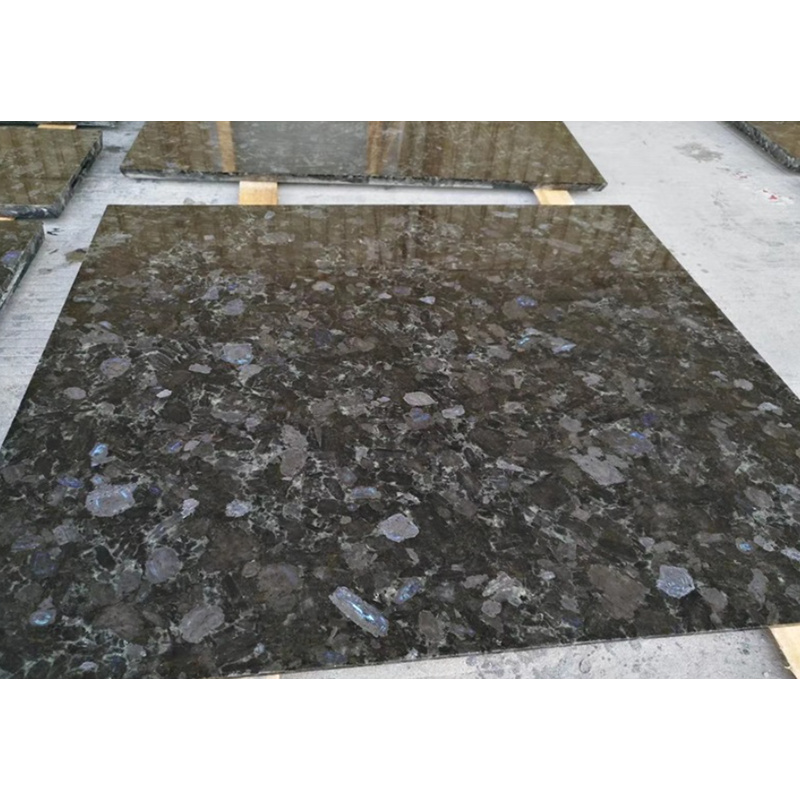
The global artificial marble industry is experiencing significant shifts driven by advancements in technology, changes in consumer preferences, and evolving manufacturing processes. As the market adapts to these future trends, buyers need to stay informed about how these changes can impact their purchasing decisions. This article will explore the future trends shaping the global Stone Crafts industry, focusing on wholesale purchasing, supplier selection, cost factors, sourcing considerations, and the balance of durability and aesthetics.
Future Trends in Wholesale Purchasing of Artificial Marble
One of the most notable trends in the artificial marble industry is the increasing demand for sustainable and eco-friendly materials. Buyers are now prioritizing suppliers that utilize recycled or low-impact materials in their production processes. This shift is not merely a passing trend; it reflects a broader movement towards sustainability that resonates with end consumers and aligns with corporate social responsibility goals.
In addition, the rise of e-commerce is transforming how wholesale purchasing is conducted. Buyers now have access to a wider range of suppliers globally, allowing them to compare products, prices, and certifications more efficiently. Digital platforms also facilitate better communication, making it easier to clarify specifications and negotiate terms. As a result, purchasing managers must become adept at navigating these online marketplaces while ensuring they select suppliers who maintain high-quality standards.
How to Choose the Right Supplier for Artificial Marble Products?
Selecting the right supplier for artificial marble products is crucial for ensuring the quality and suitability of materials for intended applications. Buyers should consider several factors when evaluating potential suppliers:
Manufacturing Capabilities: Assess whether the supplier has the necessary manufacturing equipment and technology to produce artificial marble that meets specific performance requirements. This includes looking at their processes for mixing, curing, and finishing.
Quality Control Processes: It is essential to confirm that the supplier implements stringent quality control measures to ensure consistency and reliability in their products. Requesting quality certifications, such as ISO or equivalent standards, can provide assurance of their commitment to quality.
Customization Capabilities: Consider whether the supplier can accommodate custom orders, including specific colors, patterns, or dimensions. Customization can enhance the product’s appeal, especially in niche markets.
Reputation and References: Research the supplier's reputation within the industry. Seeking references from other customers can provide insights into their reliability and product satisfaction.
Lead Times and MOQ: Evaluate the supplier’s lead times for order fulfillment and minimum order quantities (MOQ). These factors can significantly impact project timelines and inventory management.
Cost Factors Influencing Artificial Marble in Bulk Orders
When purchasing artificial marble in bulk, several cost factors must be considered to ensure a favorable purchasing decision:
Material Quality: The type and quality of materials used in production can significantly affect the price. Higher-quality resins or fillers may yield a superior product but at a higher cost. Buyers should weigh the long-term benefits of investing in higher-quality materials against initial expenditures.
Production Efficiency: Suppliers with advanced manufacturing technologies can often produce artificial marble more efficiently, potentially leading to lower prices. Understanding the supplier’s production methods can help buyers assess the potential total cost of ownership.
Transportation and Logistics: Shipping costs can vary widely based on the supplier’s location and the delivery destination. Buyers should factor in these logistics costs when comparing suppliers, as they can significantly impact the overall budget.
Market Fluctuations: The prices of raw materials can fluctuate due to market conditions, affecting the final cost of Artificial Quartz. Staying informed about market trends can help buyers anticipate price changes and make informed purchasing decisions.
What to Consider When Sourcing Artificial Marble Materials?
Sourcing artificial marble materials involves careful consideration of several key factors to ensure that the final product meets both performance and aesthetic expectations:
Material Composition: Understanding the composition of artificial marble is essential. Commonly, it is made from a combination of resins, fillers, and pigments. Buyers should inquire about the specific types of materials used and their respective benefits, such as durability and UV resistance.
Application Suitability: Different applications require varying levels of durability and resistance to environmental factors. For instance, artificial marble used in kitchen countertops must withstand heat and stains, while materials for decorative elements may prioritize aesthetics over functional durability.
Regulatory Compliance: It is essential to ensure that the materials sourced comply with any relevant regulations or standards, especially for applications in commercial or residential settings. This may include certifications for safety and environmental impact.
Sample Approval: Before placing a bulk order, buyers should request samples to evaluate the product’s appearance, texture, and performance under expected conditions. This step helps to confirm that the materials will meet the desired specifications.
Durability and Aesthetics
When selecting artificial marble, durability and aesthetics are often at the forefront of buyers' considerations. The ideal artificial marble product must achieve a balance between these two factors:
Durability: The longevity of artificial marble is influenced by its composition and manufacturing process. High-quality resins can enhance the material's resistance to scratches, stains, and thermal shock. Buyers should inquire about the expected lifespan of the product and any maintenance requirements to ensure it meets their operational needs.
Aesthetic Appeal: The visual characteristics of artificial marble, such as color, pattern, and finish, play a crucial role in its appeal. Buyers should consider the design trends in their target market, as preferences for color and texture can vary widely. Collaborating with suppliers who offer customization options can ensure that the product aligns with current design aesthetics.
the global artificial marble industry is evolving, influenced by trends in sustainability, technology, and consumer preferences. For B2B buyers, understanding these trends and how they impact purchasing decisions can lead to more informed Artificial Marble choices, ensuring that they select the right materials and suppliers for their projects.