
 EN
EN
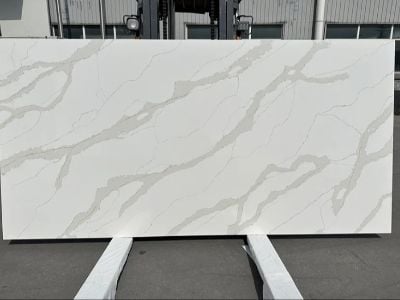
Evaluating the scratch resistance of quartz stone surfaces is crucial for buyers in the manufacturing and construction industries, where durability and aesthetics are paramount. Understanding how to assess this property helps address common concerns, such as material longevity, maintenance, and overall performance. This article will guide you through evaluating scratch resistance in Artificial Quartz stone surfaces, providing essential insights for purchasing managers, distributors, and engineers.
How to Compare Scratch Resistance in Quartz Stone Surfaces?
When comparing scratch resistance in quartz stone surfaces, it’s important to consider several factors. The primary measure is the Mohs hardness scale, which rates minerals based on their ability to scratch one another. Quartz typically rates 7 on this scale, indicating good scratch resistance. However, the overall scratch resistance can also depend on the specific resin and additives used in the quartz composite.
Another critical aspect is the manufacturing process. Different manufacturers may employ various methods that can affect surface integrity. For instance, some use high-pressure techniques that enhance durability while others might not prioritize this aspect, leading to variations in scratch resistance. Buyers should request detailed specifications and inquire about the production techniques to ensure they are selecting a product that meets their project requirements.
Additionally, conducting scratch tests on samples can provide practical insights. This involves applying a controlled force with a standardized tool to assess how easily the surface scratches. Such testing can help determine how the Stone Crafts will perform in real-world applications.
Key Specifications for Evaluating Quartz Stone Scratch Resistance
When evaluating quartz stone for scratch resistance, focus on the following specifications:
Hardness Rating: As mentioned, the Mohs hardness scale is a primary indicator. Ensure the product rates at least a 7 to guarantee adequate resistance to scratching from common materials.
Surface Finish: The type of surface finish whether polished, honed, or textured can impact its scratch resistance. Polished surfaces, while visually appealing, may show scratches more readily than honed finishes, which can hide them better.
Composite Composition: The ratio of quartz to resin affects durability. A higher quartz content generally increases scratch resistance. Verify the percentage of quartz and the quality of resin used in the composite.
Quality Control Standards: Ensure that the manufacturer adheres to relevant quality control processes that test for durability and performance. Certifications can provide assurance of these standards.
Testing Methods: Ask about the specific testing methods used to evaluate scratch resistance. Independent laboratory testing can offer a reliable benchmark for comparison.
Benefits of Scratch Resistance in Quartz Stone for Your Projects
The benefits of scratch resistance in quartz stone are multifaceted, particularly for commercial and industrial applications:
Durability: Scratch-resistant surfaces maintain their aesthetic appeal over time, reducing the need for frequent repairs or replacements. This is especially crucial in high-traffic areas where wear and tear are common.
Aesthetic Integrity: Surfaces that resist scratching retain their polished look longer, enhancing the overall visual quality of spaces such as showrooms, office buildings, and retail environments.
Cost Efficiency: Investing in scratch-resistant quartz can lead to lower long-term maintenance costs. Reducing the frequency of repairs or replacements saves both time and resources, making it a financially sound choice for businesses.
Increased Value: High-quality, scratch-resistant surfaces can elevate the perceived value of a property or product, making it more attractive to potential buyers or tenants.
Installation Guidance for Scratch-Resistant Quartz Stone Products
Proper installation is critical to maximizing the scratch resistance of quartz stone surfaces. Here are key considerations:
Substrate Preparation: Ensure the installation surface is clean, dry, and level. Any imperfections can lead to improper adhesion, which may compromise the Stone Monuments and Carvings performance.
Use of Correct Adhesives: Select adhesives specifically designed for quartz surfaces. These adhesives should provide strong bonding while accommodating for the thermal expansion and contraction of the material.
Handling Precautions: During installation, handle the quartz with care. Use protective equipment to avoid direct contact with sharp objects that could scratch the surface.
Sealing and Maintenance: Although quartz is non-porous and typically does not require sealing, a protective coat can enhance its resistance to scratches and stains. Regular cleaning with non-abrasive materials is recommended to maintain surface integrity.
Professional Installation: Hiring experienced installers familiar with quartz materials can help ensure that the product is fitted correctly, minimizing risks associated with improper handling and installation.
Solutions for Ensuring Quality in Quartz Stone Scratch Resistance
To ensure quality in quartz stone scratch resistance, consider implementing the following solutions:
Supplier Evaluation: Choose reputable suppliers with a track record in the quartz industry. Evaluate their manufacturing processes and request references from previous clients to assess their reliability and product quality.
Quality Assurance Procedures: Inquire about the manufacturer's quality assurance procedures. Regular audits, testing for durability, and compliance with industry standards are essential for maintaining consistent product quality.
Sample Approval: Before placing a bulk order, request samples and conduct scratch tests. This step allows you to verify the material’s performance under expected use conditions and confirm that it meets your specific requirements.
Documentation and Certifications: Request documentation that details the product’s specifications, including test results for scratch resistance. Certifications from recognized organizations can provide additional assurance of quality.
Customization Options: If your project has unique requirements, discuss customization options with the manufacturer. Tailoring the product can enhance its suitability for specific applications while ensuring optimal performance.
By following these guidelines, buyers can effectively evaluate and select quartz stone surfaces that meet their scratch resistance needs, ensuring long-lasting performance and satisfaction in their projects.
Table of Contents
- How to Compare Scratch Resistance in Quartz Stone Surfaces?
- Key Specifications for Evaluating Quartz Stone Scratch Resistance
- Benefits of Scratch Resistance in Quartz Stone for Your Projects
- Installation Guidance for Scratch-Resistant Quartz Stone Products
- Solutions for Ensuring Quality in Quartz Stone Scratch Resistance