
 EN
EN
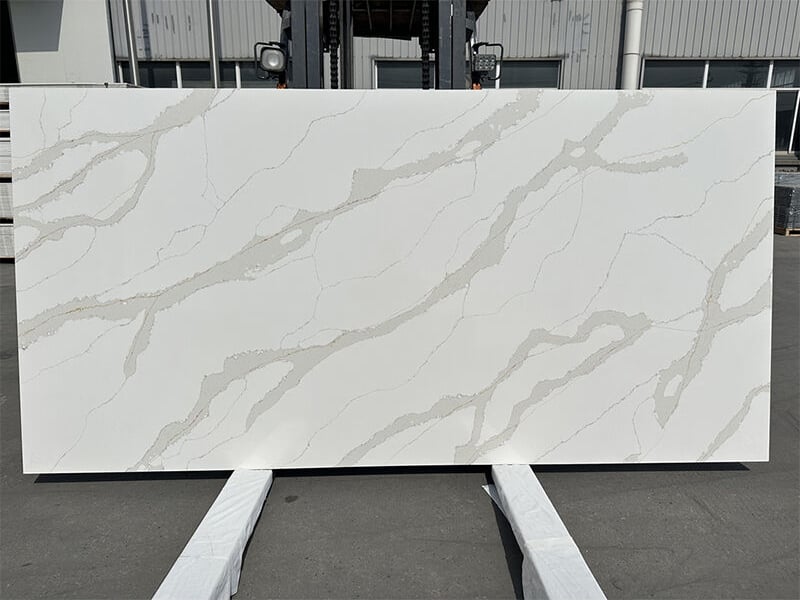
The right choice of quartz stone thickness is important, as it impacts on the cost, strength and suitability of the stone for each specific application. Quartz stone is available in many thicknesses, typically between 12 mm (about ½ inch) and 30 mm (about 1 ¼ inches), and 20 mm (¾ inch) is by far the most common size. The exact thickness will be determined by the application, the nature of the substrate, the edge profile desired and the budget. This guide will help B2B buyers, contractors and fabricators to select the most suitable thickness of quartz stone.
12 mm Quartz Stone: Lightweight and Economical
This is the thinnest of the available options for quartz stone and has been designed for surfaces that will not be supporting much weight, are unlikely to be bumped, or for wall applications. As such, 12 mm quartz must have a rigid substrate such as chipboard or cement board behind it and cannot be used as a cantilever or for floor tiling. This option is economical, lighter weight than the other options and therefore has lower transport costs and lower fabrication costs.
It is often specified for bathroom walls and surrounds, kitchens and bathrooms back splashes and furniture tops for items such as dressing tables and occasional tables where the top does not need to support heavy objects or resist the harsh treatment of kitchen usage. For apartment and hotel developments, this thickness provides a viable way to use a more cost-effective engineered material at a more accessible price point.
20 mm Quartz Stone: The Industry Standard
This is the most popular size for kitchen countertops and most other surfaces. A 20 mm countertop does not require a substrate behind it and will easily hold the weight of most commonly placed items. The 20 mm thickness can be easily fabricated with a squared off, slightly rounded, bull nose or ogee edge and is also strong enough for most common types of granite edge.
It is an excellent size for most standard kitchen countertops in both domestic and commercial situations, bathroom vanity tops, restaurant tables, shop counters and desk surfaces. In contrast, a 20 mm surface is perfectly suitable for the weight-bearing demands of flooring or heavy duty usage and there is less risk of the surface cracking compared to using a 12 mm thick slab of quartz. For developers and contractors, this thickness makes specifying easier and helps keep the overall construction schedule on track.
30 mm Quartz Stone: Heavy Duty and Premium
This is the thickest standard slab of quartz available, designed for very demanding environments where the user is expecting to place very heavy items, or when a substantial and luxurious look is desired. A 30 mm slab is extremely strong and durable; its sheer mass offers superior strength and resistance to chipping or breakage. It is the only practical size for stone that is expected to stand unsupported at an edge, such as cantilevered table tops or large waterfall design edges without a support structure, and can create a visually dramatic impact.
For high end kitchens or heavy duty restaurant tables and bars where impact and wear and tear is expected, 30 mm quartz represents the top of the range and offers an excellent visual quality. A very thick slab of quartz with a dramatic edge profile will provide a look of opulence and high quality that clients may desire for the high-end home market, although this will carry a premium price. Outdoor kitchen counters and a larger number of surfaces such as commercial retail counters and hotel lobby counters may also use 30mm thick quartz for superior durability.
Application - Driven Thickness Selection
The selection criteria should primarily be application. If it is a kitchen or commercial workstation, 20 mm is almost certainly the most appropriate choice; it’s the perfect thickness for countertop surfaces and has the sufficient strength to allow a wide variety of edge profiles without requiring any additional sub-frame. For bathroom vanity tops, 12mm is often perfectly sufficient with the correct backing material applied underneath, although clients who want a more solid feel may opt for a 20 mm surface.
For flooring or situations where there may be heavy point loads from the legs of furniture for example, 20 mm or 30 mm quartz should be used because of its higher strength, as thinner material may crack under sustained pressure. Walls and backsplashes don’t take any weight or suffer impact from direct use, so 12 mm thick quartz will provide an economical solution for vertical surfaces, allowing more budget for other kitchen components. For outdoor use special precautions need to be taken regarding expansion and contraction due to heat and cold so 20 mm thickness or 30mm would be required. Restaurant, bar or retail counter surfaces that will endure heavy traffic use, where scratching and impacts from trays and carts is common will require 30 mm for durability. Waterfall edges or any cantilevered design where the stone will be projected from a cupboard will require 30 mm quartz stone thickness to prevent bowing or breaking.
Summary
The decision regarding quartz stone thickness really comes down to the demands placed upon the surface, the design objectives and the budget. The 12 mm thickness is cost-effective for vertical or horizontal application with a substrate, the 20 mm is a perfectly acceptable all-rounder for domestic kitchens, bathrooms and light commercial use, and 30 mm is designed for demanding situations requiring the highest possible impact resistance and a very luxurious and substantial finish. Xiamen Nishi Group Co., Ltd. Uses only state of the art processing and has strict quality controls for all their stones. We supply quartz stone in all common thicknesses as well as marble, granite, travertine, artificial marble, luxury stone, stone monuments, carvings, crafts, nano stone, and basalt. We invite you to discuss your specific requirements with us and request samples.