
 EN
EN
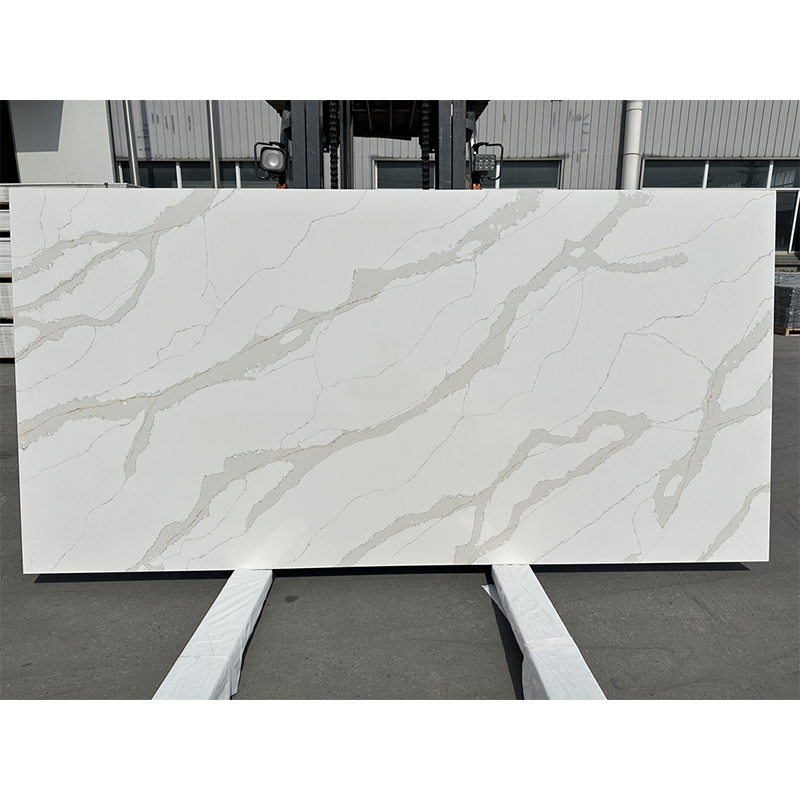
Artificial marble is increasingly gaining traction in various sectors due to its versatility, aesthetic appeal, and cost-effectiveness. Emerging applications driving demand for artificial marble span across industries such as construction, interior design, and even automotive sectors. As a B2B buyer, understanding the nuances of artificial marble—ranging from material selection to supplier evaluation—can significantly impact your purchasing decisions. This article aims to equip you with essential insights into choosing the right Artificial Quartz for your wholesale needs while addressing key specifications and best practices.
How to Choose the Right Artificial Marble for Your Wholesale Needs?
Selecting the appropriate artificial marble begins with understanding the specific application it will serve. For instance, if the product is intended for flooring, you'll want a durable, slip-resistant surface that can withstand wear and tear. If it's for decorative purposes, aesthetics may take precedence, emphasizing color, pattern, and finish.
Consider the following factors during your selection process:
Material Composition: Different formulations of artificial marble can offer varying degrees of durability, appearance, and cost. Common materials include resins, natural stone powders, and pigments. Understanding the material's properties can help you choose a product that aligns with your project requirements.
Customization Options: Many manufacturers, including Xiamen Nishi Group, offer customization in terms of color, texture, and size. Ensure you communicate your specific needs to suppliers to get the most suitable product.
Sourcing and Pricing: Pricing can fluctuate based on the material and manufacturing process used. It's crucial to compare quotes from different suppliers while considering the total cost, which includes shipping and potential tariffs.
Key Specifications to Consider
When evaluating artificial marble, several specifications are critical to ensuring the product meets your requirements. Here are the key specifications to keep in mind:
Thickness: The thickness of artificial marble often ranges from 12mm to 30mm. Thicker options provide better durability and can be more suitable for high-traffic areas.
Surface Finish: The surface finish can significantly affect both appearance and functionality. Polished finishes offer a sleek look but may be more prone to scratches, while honed finishes provide a more matte appearance with better resistance to wear.
Color Stability: Ensure that the color pigments used are UV-resistant, especially if the marble will be installed in areas exposed to sunlight. This prevents fading and maintains the product's aesthetic appeal over time.
Water Absorption Rate: A lower water absorption rate indicates better resistance to staining and moisture-related damage. This is particularly important in kitchen and bathroom applications.
Where to Find Reliable Suppliers of Artificial Marble for Your Projects
Finding trustworthy suppliers is pivotal for securing quality artificial marble. Here are a few strategies:
Industry Trade Shows: Attending trade shows can provide firsthand experience with various manufacturers and an opportunity to assess product quality directly.
Online Marketplaces and Directories: Websites specializing in B2B transactions can help you identify potential suppliers. Look for those that specialize in stone and building materials.
Established Manufacturers: Companies like Xiamen Nishi Group, with a solid reputation and nearly ten years of industry experience, are often a reliable choice. Evaluate their product catalog, certifications, and customer reviews to gauge their reliability.
Networking with Peers: Consult industry peers or online forums to get recommendations for suppliers who have delivered quality Stone Monuments and Carvings products in the past.
Best Practices and Tips
To ensure a smooth purchasing process, consider the following best practices:
Request Samples: Always ask for samples to evaluate the quality and suitability of the artificial marble for your application. This allows you to assess factors such as texture, color, and durability before committing to a bulk order.
Conduct Quality Control Checks: Implement quality control measures to verify that the products received meet your specifications. This may include checking for consistency in color and finish across batches.
Engage in Clear Communication: Clearly articulate your needs to suppliers, including any specific requirements regarding dimensions, colors, and delivery timelines. This mitigates misunderstandings and ensures that you receive exactly what you need.
Understand Lead Times: Discuss lead times upfront, especially if your project has strict deadlines. This helps manage expectations and ensures timely delivery of materials.
Understanding Material Advantages
Artificial marble offers several advantages over natural stone, making it a popular choice in various applications:
Cost-Effectiveness: Generally, artificial marble is less expensive than natural stone, allowing for cost savings in large-scale projects.
Design Versatility: With the ability to customize colors and patterns, artificial marble can be tailored to fit a wide range of design aesthetics, from modern to traditional.
Ease of Maintenance: Artificial marble is typically easier to clean and maintain compared to natural stone, which may require special sealing and care.
Uniformity and Quality Control: Unlike natural stone, which can have color variations and imperfections, artificial marble offers a more uniform appearance that can be achieved through controlled manufacturing processes.
By understanding these material advantages, you can make more informed decisions about how artificial marble can meet your project needs.
In summary, selecting the right artificial marble involves careful consideration of application requirements, specifications, and supplier reliability. With the insights provided, you can navigate the purchasing process more effectively, ensuring that you choose an Artificial Marble that aligns with your business objectives and quality standards.