Proper care and maintenance are indispensable for preserving the inherent beauty and extending the longevity of both natural and artificial stone surfaces. These materials, widely used in countertops, flooring, and wall cladding, possess distinct physical properties and chemical compositions—factors that directly dictate their care requirements. By gaining a thorough understanding of these unique characteristics, homeowners and property managers can implement targeted maintenance routines that keep stone surfaces looking pristine and functional for decades.
Natural Stone Care Guidelines
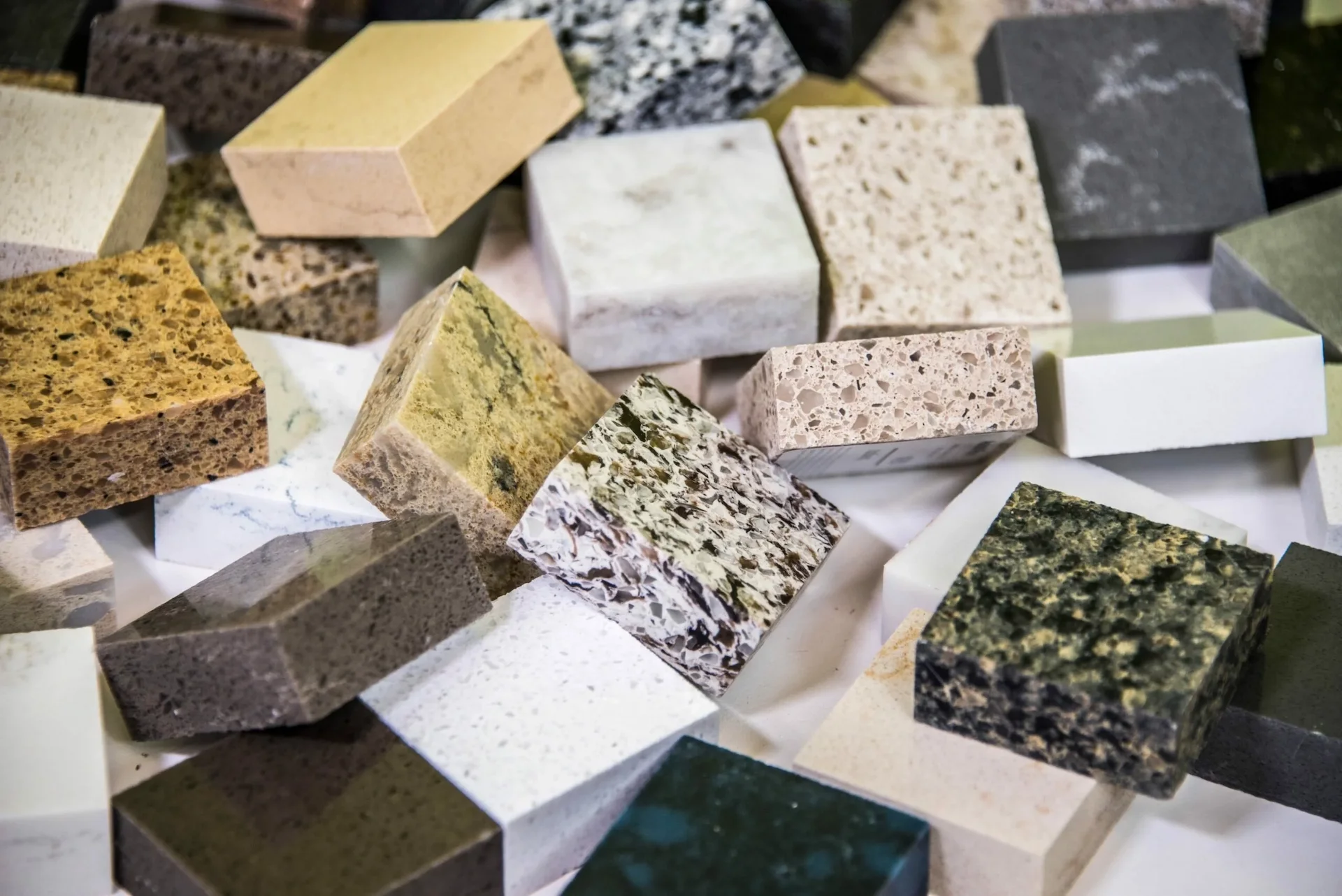
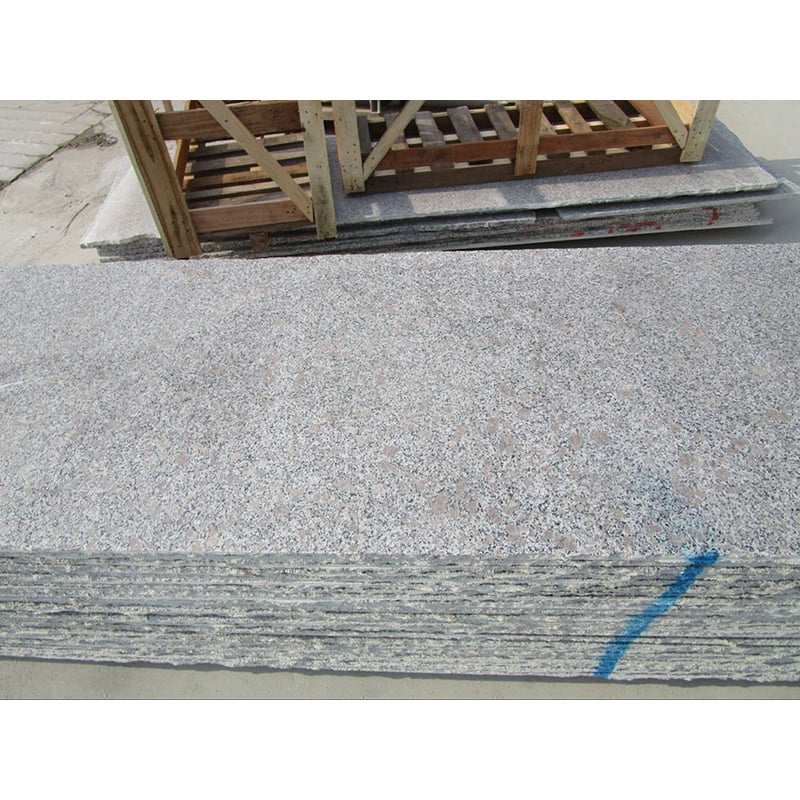
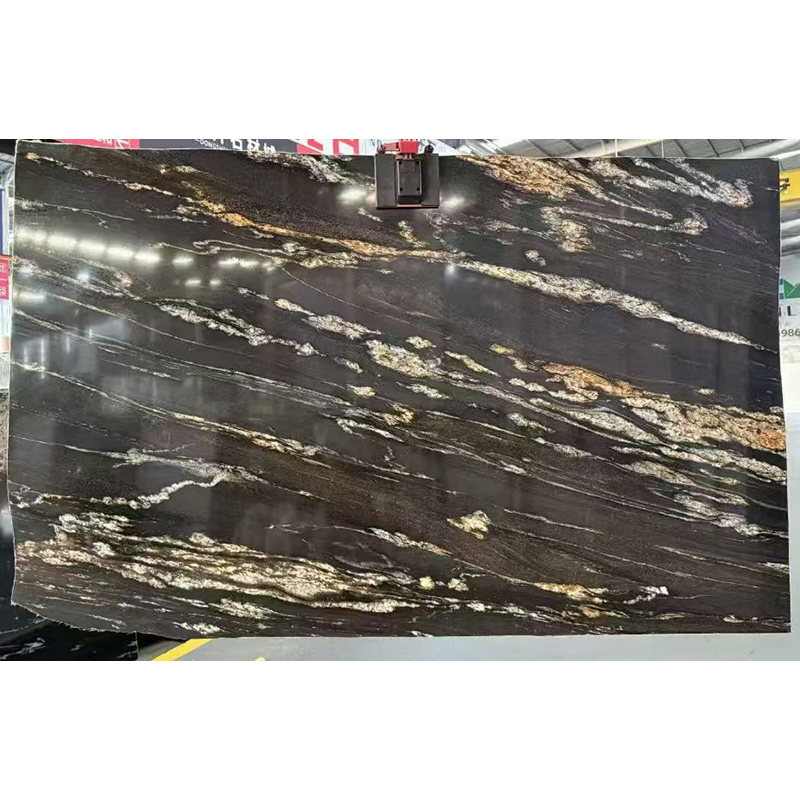
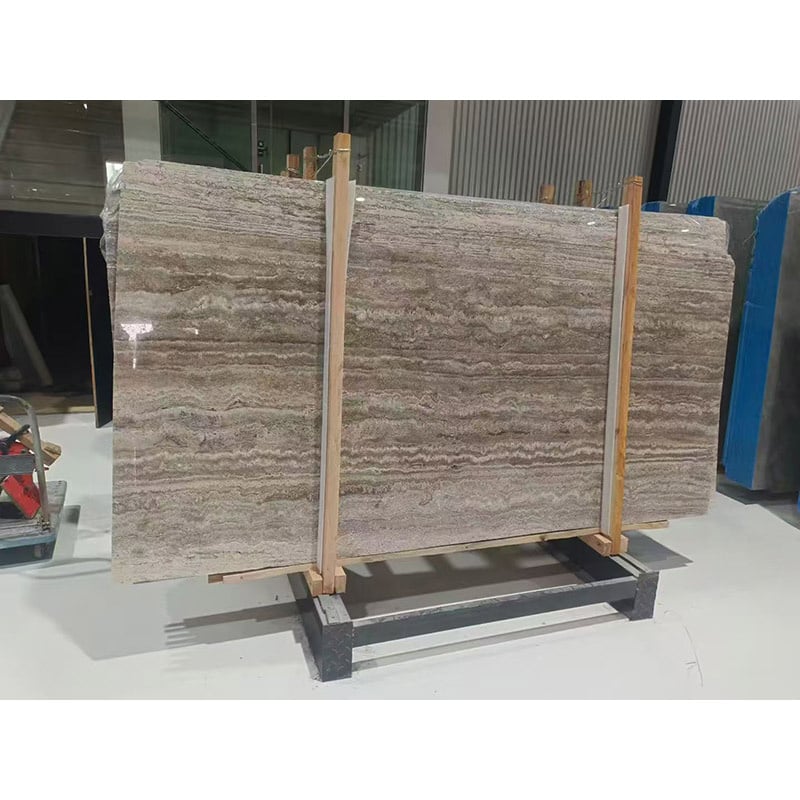
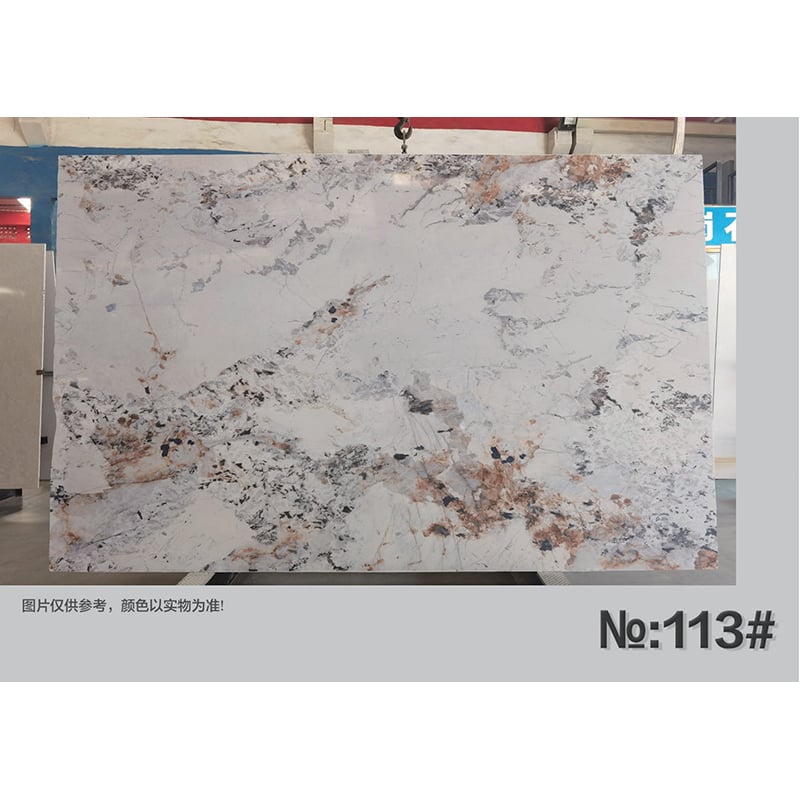
Natural stone, quarried directly from the earth, encompasses a diverse range of materials including marble, granite, slate, limestone, and travertine. Each variant boasts unique traits: granite, for instance, is an igneous rock renowned for its high density and scratch resistance, while marble—a metamorphic stone composed primarily of calcite—is softer and highly susceptible to etching from acidic substances. This diversity means a one-size-fits-all approach to care is ineffective; tailored strategies are essential.
Core Care Principles for Natural Stone
-
Regular Sealing: Most natural stones are porous, making them vulnerable to moisture absorption and staining. Applying a high-quality penetrating sealer—at least once annually—is non-negotiable. Denser stones like granite may require sealing every 2–3 years, while porous varieties such as limestone or travertine need more frequent applications (every 6–12 months). To test if sealing is needed, place a few drops of water on the surface; if it beads up, the sealer is still effective; if it soaks in, resealing is immediate.
-
Proper Cleaning Tools: Opt for soft, non-abrasive tools to avoid surface damage. Rayon mops, microfiber cloths, and natural sponge are ideal choices. Steer clear of steel wool, scouring pads, or stiff-bristled brushes, as these can scratch the stone’s finish and create micro-abrasions that trap dirt.
-
Tool Maintenance: Replace cleaning tools regularly—worn mops and sponges accumulate dirt, grime, and even tiny mineral particles that can act as abrasives. A good rule of thumb is to replace microfiber cloths every 3–4 months and mops every 6 months, depending on usage frequency.
-
Scratch Prevention: Dust, sand, and debris are the primary culprits behind surface scratches. Implement a daily dusting routine using a dry microfiber cloth to remove these particles. Additionally, attach felt pads to the bottom of furniture legs, appliances, and decorative items—this creates a buffer that prevents scratches from movement or pressure.
-
Immediate Spill Response: Acidic substances like citrus juice, vinegar, wine, and even tomato sauce pose the greatest threat to natural stone, especially marble and limestone. These liquids can etch the surface (creating dull spots) or stain it if left unattended. Wipe spills immediately with a clean, dry cloth, then follow with a damp cloth to remove any residue—avoid rubbing, which can spread the spill.
-
Protective Accessories: Use coasters under all drinkware, particularly those holding acidic beverages. For kitchen surfaces, place heat-resistant trivets under hot pots, pans, and baking dishes—even high-temperature-resistant stones like granite can crack under sudden thermal shock.
-
Harmful Substances to Avoid: Steer clear of cleaners containing acids (lemon, vinegar), alkalis (bleach, ammonia), or abrasives (scouring powders). These products break down the stone’s surface and degrade sealants, rendering them ineffective over time.
Marble-Specific Care Tips
Marble requires extra attention due to its softness and calcite composition:
-
Sunlight Protection: Prolonged direct sunlight causes marble to fade or discolor, especially lighter shades. Install UV-filtering window films or use curtains/blinds to shield marble surfaces near windows.
-
Soft Water Usage: Hard water contains minerals that leave unsightly deposits on marble. Use distilled or softened water for cleaning to prevent these stains, which can be difficult to remove once set.
-
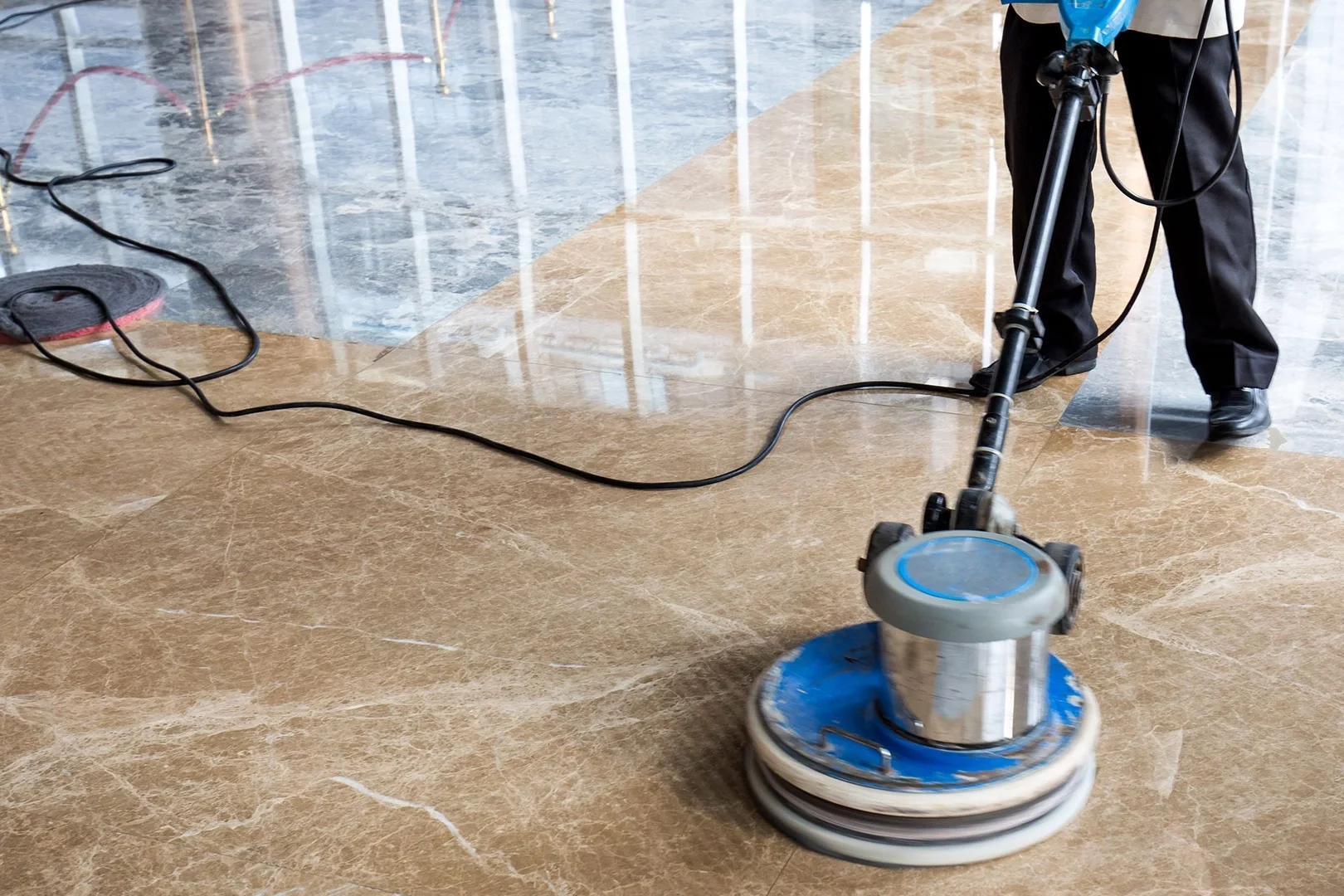
Polishing and Buffing: Restore marble’s natural shine by polishing it every 6–12 months with a marble-specific polish. Avoid generic polishes, as they may contain abrasives—opt for products labeled “non-etching” to ensure safety.
Artificial Stone Care Guidelines
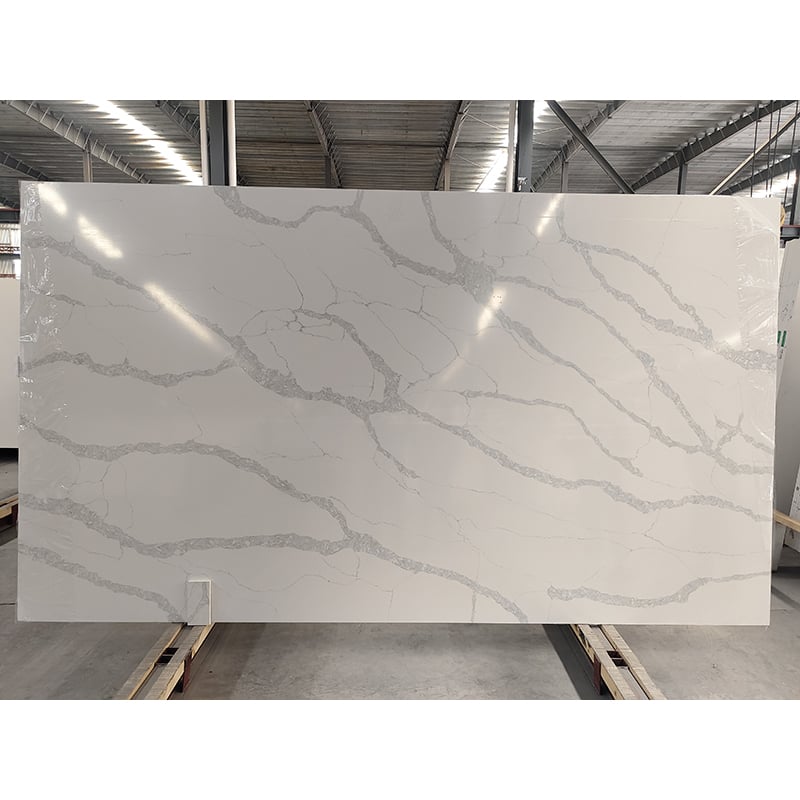
Artificial stone, most commonly quartz countertops (engineered from 90% natural quartz crystals, resin binders, and pigments), is designed for durability and low maintenance. Unlike natural stone, it is non-porous and more resistant to stains and scratches—but it still requires proper care to maintain its appearance.
Key Care Practices for Artificial Stone
-
Heat Management: While quartz is heat-resistant (withstanding temperatures up to 150°C/300°F), it is not heat-proof. Placing a hot pan directly from the stove or oven onto the surface can cause the resin to melt or discolor. Always use heat-resistant trivets or mats to prevent thermal damage.
-
pH-Neutral Cleaning: Stick to mild, pH-neutral cleaners (such as dish soap diluted in warm water) for routine cleaning. Harsh chemicals like paint thinners, drain cleaners, or oven cleaners can corrode the resin surface, leading to discoloration or dullness.
-
Scratch Prevention: While artificial stone is more scratch-resistant than natural stone, it is not scratch-proof. Avoid cutting, chopping, or scraping directly on the surface—always use a wooden or plastic cutting board. Even sharp objects like can openers can leave permanent marks if used carelessly.
-
Spill Handling: Although non-porous, artificial stone can still be affected by prolonged exposure to highly pigmented substances like coffee, wine, or turmeric. Blot spills immediately with a dry cloth—avoid wiping, which can spread the pigment—and clean with a damp cloth if needed.
-
Abrasive Material Avoidance: Abrasive pads, scouring powders, or steel wool can scratch the surface’s protective layer, dulling its shine. Use only soft cloths or sponges for cleaning to preserve the finish.
General Maintenance Tips for All Stone Types
-
Routine Cleaning: Establish a daily dusting and weekly deep-cleaning routine. Daily dusting removes surface debris, while weekly cleaning with appropriate products prevents the buildup of grime that can dull the stone’s appearance.
-
Sealer Selection: For natural stone, choose a sealer formulated for your specific stone type—granite sealers, for example, are different from those designed for marble. Follow the manufacturer’s instructions for application, including drying times and number of coats.
-
Consistent Protection: Make protective accessories a habit—coasters, trivets, and placemats are simple yet effective tools for preventing damage. For high-traffic areas like entryway flooring, consider using area rugs to reduce wear and tear.
By adhering to these tailored care guidelines, you can safeguard the beauty and functionality of both natural and artificial stone surfaces. Whether it’s the timeless elegance of marble or the durability of engineered quartz, proper maintenance ensures these surfaces remain focal points of your space for years to come.

 EN
EN


 Hot News