
 EN
EN
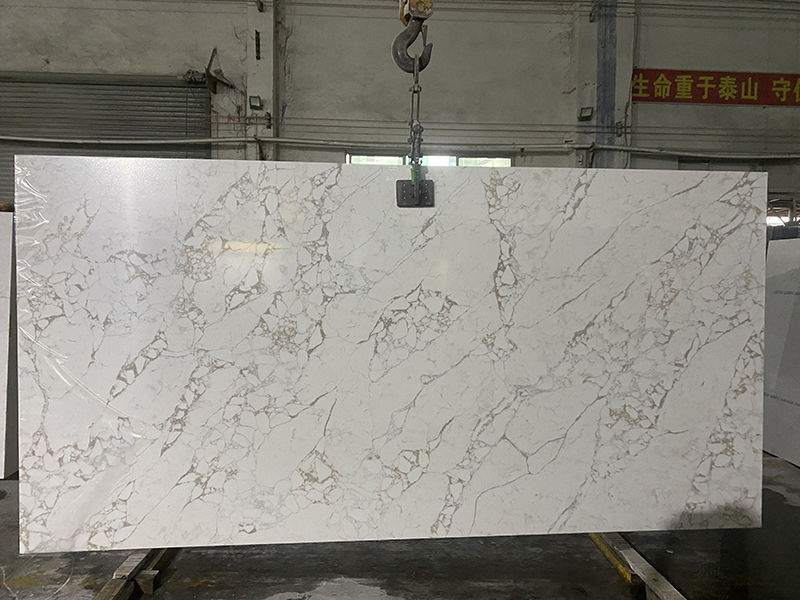
Modern architecture is shifting from conventional stone as the material for wall and flooring in today’s building projects to engineered surfaces. Among these materials, engineered quartz stone has now became a favored one among architects all over the world, since the material blends aesthetics with practicality. As the case of Xiamen Nishi Group Co., Ltd., which is dedicated to producing the stone of highest quality with innovative methods in modern design and science.
The Science Behind Engineered Quartz
Engineered quartz is made of roughly 90% of the chopped natural quartz aggregate, with 10% of resin, polymers and pigments binders being added. After being compressed into molds and vacuum compaction processes, quartz is solidified as a high density. In result of this manufacturing technique, quartz becomes a high strength dense natural stone like slab with an absolutely dense surface, no pore and no hole.
With a Mohs hardness scale on 6~7, its compressive strength comes to be in range of 150~240MPa, being able to achieve the standard performance from staining to acidity of the stone surface.
Unlike conventional stone which can take a periodic sealing to prevention stains, the low absorbent, non porous quality engineered quartz never absorb stains and would be difficult for the bacterium and microorganism to inhabit, thus being hygienic.
Design Versatility and Aesthetic Consistency
With such diversity in engineered quartz styles architects are provided with greater scope in bringing to life the schemes they have in mind. They have the advantage of more accuracy in terms of the colour, tone and finishing required to replicate natural stones, simulate specific natural products and design original pattern effects in solid colours and feature options. Many designers despair of the Stone industry as a result of inconsistent colours, textures and natural movement evident in large scale stone blocks that has often made specific slabs unsuitable for projects requiring a high level of consistency. This is often simply a result of identifying the right slab collection for an application, a time-consuming and potentially expensive exercise.
Engineered quartz offers architects and designers the ability to precisely meet colour requirement allowing designs to be mix and matched seamlessly to materials used elsewhere in the building project. This provides architects with the ability to bring to bear design options that would otherwise be very difficult, if not impossible, to create without the assistance of stone manufacturing, and this should certainly include the use of man made materials for hotels, commercial properties and apartments featuring a lot of stone in their design.
Durability and Maintenance
Its non-porous and durable properties make engineered quartz extremely resistant to stains, scratching and impact, which is highly regarded in busy environments such as restaurants, hospitals, office building offices, and hotels. Engineered quartz stone’s extremely low moisture absorbency (less than 0.02%) guarantees the prevention of staining from liquids ranging from coffee to wine. Unlike natural stone surfaces that need regular sealing, quartz surface could only need to maintain it properly using simple washing methods, which means that it’s a low-maintenance and easy care material saving additional cost for both owner of the building and property manager.
Compared with other artificial surfaces, engineered quartz could be more crack- and chip-resistant because the resin provides it with a more flexible physical property. As an interior design material engineered quartz could withstand various conditions withstanding both harsh commercial applications and the rigors of daily life in residential homes.
Considerations for Architects
When designing, Architect should also take the performance limitation in to consideration. Since the resin used for manufacture will deteriorate above 150F, it's advised to protect surfaces from direct exposure to high heat, such as placing hot cookware directly onto the stone.
Engineered Quartz Stone should not be used outdoors because the ultra violet radiation can potentially weaken the resin binders over time, causing the stone surface to become brittle and thus leading to discoloration. Porcelain stone or any Natural Stone would be appropriate for exterior usage.
Some Designers and home owners still opt to distinguish the difference in Natural Stone’s characteristics, such as a one-of-a-kind “movement” or patterns which cannot be replicated on engineered materials. The manufacturers are constantly innovating in order to be more and more capable to narrow the gap by more variety and uniqueness design choice.
Conclusion
When compared to a myriad of other stone countertop materials, quartz ston is a material that designers and owners had long aspired to use as a primary surface material in design but it never achieved acceptance in commercial environments because the market required a more reliable, predictable and easily maintained surface. It provides an unexampled balance of resistance to impact and chip; great design flexibility and minimal upkeep requirements. Quartz has a high load bearing strength and is therefore ideally suited for many of the commercial applications for which natural stone might traditionally have been specified, including the specification of quartz based countertops for restaurants, and hotels or as surfacing in commercial bathrooms and reception areas, to mention only a few possibilities. In summary, Quartz has great strength which in conjunction with the vast range of colour, pattern and finishes available it presents architects and designers the ultimate choice, giving the assurance that the solution will be sustainable and lasting for decades, that no matter what the commercial application Xiamen Nishi Group Co., Ltd can make quartz meet any designer’s most ambitious vision for any client’s project by educating their clients about Quartz material and their applicable uses.