
 EN
EN
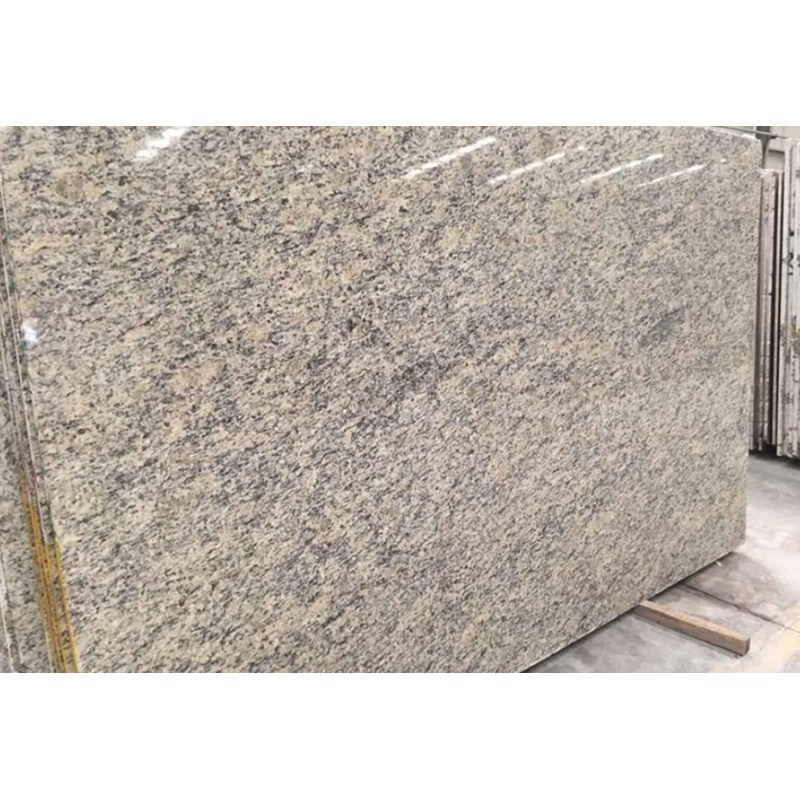
Choosing quartz stone or natural granite is a significant choice when working with materials like countertops, flooring, wall cladding or commercial projects when sourced from an importer. While both materials are visually appealing and durable, they are fundamentally different in terms of their composition, care, fabric and import aspects. The importers who comprehend these subtleties will supply better service for their customers and avoid major mistakes and pricey mismatches in the product to application relationship. Let's take a closer look at the difference between quartz stone and granite.
Composition and Manufacturing Process
Granite consists of 100% natural stone and has been created through great heat and pressure on volcanic rock and over millions of years. It's a granite that is quarried from the earth, cut into a slab and polished. Each slab is 100% natural and as such, is unique, in terms of colour, pattern and mineral make-up. The advantage and disadvantage of granite being different from each slab is that importers cannot ensure the consistency of a large project, therefore cannot guarantee that they can ship the same batch to the customer.
The quartz stone that is imported is a man-made stone made from about 90-93% crushed natural quartz and polymer resins, pigment and recycled materials. It's a man-made stone that has a consistency that's better than you can beat from slab to slab to use in large projects where the consistency of color and pattern is important. Hotel, apartment building or large commercial complex developments that are fed quartz will benefit because they will have some predictability over that provided by a slab of natural granite.
Durability and Maintenance
Granite and quartz are both very hard-wearing, but require different care. Granite is very hard, heat resistant and scratch resistant, but has the disadvantage of being porous and prone to oil penetration. Granite can stain with materials such as wine, dark spots or bacterial growth when it is not sealed.
Quartz however, is a non-porous product, and therefore does not need to be sealed. It has high resistance to staining, scratching and mold development. But, it is not as heat resistant as granite, so hot objects put on a quartz slab may crack or discolor it. Quartz may have lower required maintenance compared to granite when sourcing a material for a kitchen countertop, but granite may be preferable for users that cook very often and heat resistance is key.
Aesthetic Range and Consistency
Granite has a deep rich natural appearance, and may vary and be veined in the slab. The color or level of speckling can also be different among the various aesthetics. The variability also poses a challenge for importers who are shipping many slabs to commercial clients: If the granite is used for an exclusive residential project or as a luxury statement piece, there's usually no other choice for the luxury homeowner than granite. Being a manufactured material, it can be produced in a wide range of colours and patterns, many of which can be engineered to resemble marble, granite, concrete etc. and it can be produced to ensure uniformity of colour from batch to batch (which is important for the large chain project or commercial enterprise importer for the end user).
Cost, Fabrication, and Import Considerations
Granite varies considerably in cost depending on rarity of type and origin; commonplace colors of granite may be cost-effective whereas more unusual, exotic types are very expensive. Its high brittleness makes it more challenging to fabricate without cracking and thus increases fabrication costs for the importer who relies on a good granite fabricator.
Quartz stone is normally more uniform in price and also much easier to work with than granite since it does not crack. The percentage of waste will be lower for stone fabricator than for granite. Stone importers also get an advantage from the fact that most markets are locally producing quartz and thus freight charges and lead times are much shorter than the natural stone quarries out of the continent. But, the importer must make sure that the artificial quartz stone suppliers have adopted high quality polymers and pigments to be able to withstand extended exposure to UV rays and retain the original colour.
Summary
Granite and quartz both have their own benefits for stone importers in various construction projects. Granite offers the client a very natural and unique statement for luxury residential projects, where outstanding heat resistance and classic design are paramount. On the other hand Quartz provides color uniformity and ease of fabrication, and less demanding maintenance that can be ideal for large commercial and chain type developments. Xiamen Nishi Group Co., Ltd. Supplies natural granite, engineered quartz as well as various other stones and custom crafting to meet your import requirements. Contact us today and talk about your project and get samples.