
 EN
EN
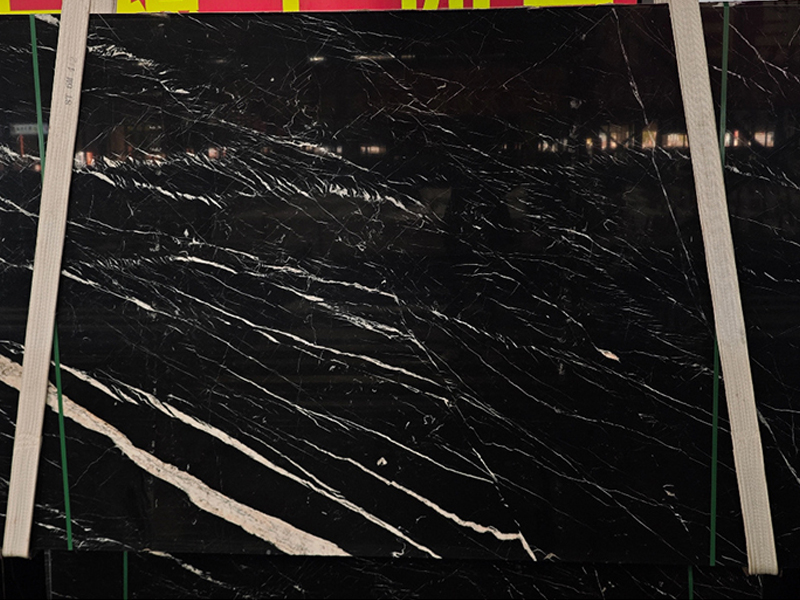
The countertop material that contractors choose directly affects their project budget, customer satisfaction level, installation lead time and durability. Kitchen countertops come in a diverse collection, so knowledge of every countertop material’s properties, plus pros and cons is important when making the final decision. Xiamen Nishi Group Co., Ltd., with an expertise in stones based on almost 10 years in the business will help contractors decide on countertop products that are best for their customers.
Granite: The Classic Natural Stone
The classic choice is granite for a beautiful look, one of the more common countertop options available today. Granite is formed from solidified magma over millions of years and it’s quarried and cut into slabs that are polished smooth to reveal their crystalline makeup.
With regards to this form of material on a project from a contractor, a granite will also be exceptionally durable. Granite is the second- hardest material of any on the face from the earth (diamonds being the first hardest); a granite surface will resist even scratches from pans, while a hot pot will also be non-threatening. Every piece from granite has one-of-a-kind shade and markings patterns, while which will surely fascinate homeowners that want their house to be diverse.
Granite also needs ongoing sealing in order to stay resistant to stains. Since it is a porous stone, without a sealant liquids will penetrate and lead to stains. Professional contractors will educate their clients on how often and how to seal their granite countertops. Proper professional fabrication will be needed because of its weight and difficulty of cutting.
Quartz: The Engineered Stone
Quartz is the manufactured version of all of our granite, sometimes called quartz composite or man-made stone is made with over 90-95 percent natural quartz crystal combined with resin, polymer and colorant. Because this is made to order in a controlled factory setting, the colors and patterns are perfectly uniform every time.
If a contractor is installing quartz countertops for a client, there are several key benefits that are beneficial to this party. Quartz isn't a porous material so spills won't leak through to penetrate surfaces of kitchen counters. Bacterial growth and stains simply aren't an issue which can mean not needing to apply a sealant to it on a yearly basis for upkeep.
Like granite, quartz is resistant to chips and scratches, but it’s not as tolerant of heat. Contractors need to warn customers that the material may crack from heat damage and that hot pads or trivets must be used. The installation procedure is the same as granite, and the surface must be fabricated by an installation crew. Quartz provides a predictable result, which is beneficial to any contractor working on several different projects simultaneously or on a large development.
Marble: Elegant but Demanding
The embodiment of elegance, marble’s luxurious finish, unique patterns and classic look makes for some of the finest kitchen designs available to discerning buyers in a variety of colors from whites and greys to warmer shades.
Marble has plus and minus points for any contractor. Beauty to create a stunning space, which of course commands a hefty price, yet the more soft the stone the more porous and easy marble becomes scratched etched and stained in comparison to quartz and granite.
Contractors also should educate clients on the need to maintain marble. Marble countertops should be sealed on a consistent schedule and shielded from all acidic ingredients like lemon juice, vinegar or wine. Marble countertops aren’t generally ideal for kitchens with a lot of heavy traffic or for clients who won’t stick to the strict maintenance schedule. Seaming a marble countertop is possible with skillful fabrication techniques because the material is more brittle and easier to cut.
Engineered Stone Alternatives and Solid Surfaces
Beyond granite, quartz, and marble, contractors should be familiar with additional countertop materials that offer unique advantages for specific applications.
Acrylic solid surfaces Solid acrylic and similar solid surface countertop products offer seamless integration, are incredibly easy to repair if necessary, and are non-porous so they are stain resistant, hygienic, and easy to clean. They don’t stand up to extreme heat or scratching like natural stone products but offer a contemporary aesthetic where minimal seams are desired.
It also looks a touch more inviting than granite because it’s naturally much softer, Travertine’s unique feel needs to be sealed and, as it’s porous and prone to scratching/etching with acidic spills such as vinegar, it demands regular sealing and care and would generally be recommend for kitchens used less frequently or those of people who fall for its organic beauty.
Luxury marble and stone can be used to add sophistication to a design without compromising on the unique appeal of natural marble or stone. This range offers not just the visual appeal of these beautiful natural materials, but also additional benefits over stone and marble itself.
Summary
Before selecting new materials to advise your clients about and ultimately choose, contractors need a working knowledge of each countertop’s features, benefits and potential disadvantages. Granite supplies natural, rich, durable countertop surfaces, whereas engineered stone surfaces are available as quartz offering uniformity and ease of use or marble giving a classic, yet delicate and high-maintenance look. No matter the kind of granite that your client may desire for your remodeling project, you can be assured that Xiamen Nishi Group Co., Ltd. Has natural stone slabs as well as engineered products to fulfill each project need. Contact us to hear about the unique benefits of our stone products for contractors and how we can fulfill the requirements of the customers in all of your future projects.