
 EN
EN
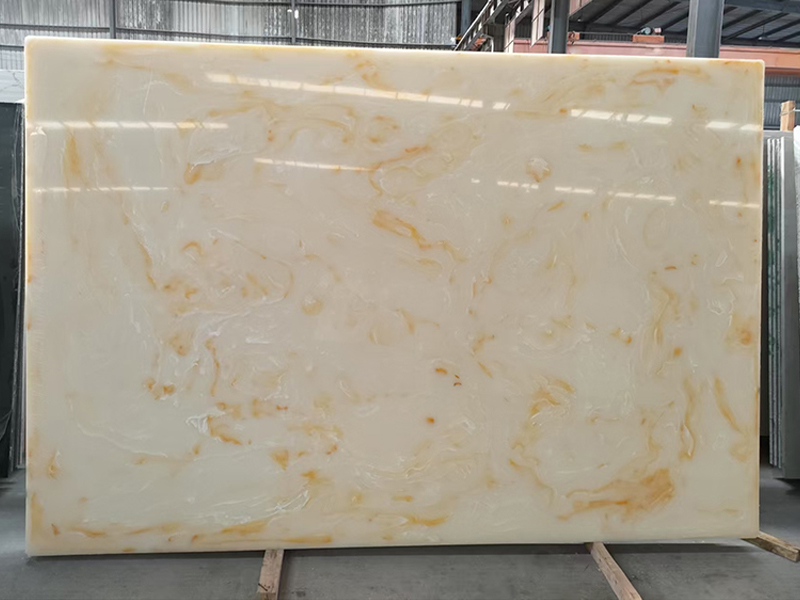
If there was an upcoming major project for your hotel, construction, interior designers, and interior decorations, you can make the right choices of your marble. A client can find both a wide range of natural and artificial marbles, so it’s important for them to identify which is which when buying. Having worked over a decade in the industry, the Xiamen Nishi Group Co., Ltd. Guide clients choosing the most favorable stones for their project.
Material Composition and Manufacturing Processes
Natural marble is a metamorphic form of rock that has been formed over millions of years by the application of heat and pressure to limestone. It is blasted into blocks and then cut into slabs which are polished to show the distinctive veining and crystalline pattern. As no two pieces of natural marble are exactly alike, this adds to the prestige and appeal.
Artificial marble, engineered marble, or cultured marble, is made by blending about 90-95% of the crushed natural marble stone with resins, polymers, and pigments. This blend is poured into molds, allowed to harden, and then buffed to a smooth, shiny surface.
Because of the manufacturing process, the quality of the artificial marble is consistent, predictable patterns, and evenly thick layers are produced during all batches. In contrast, natural marble may have variations in its color, veining, and structural integrity which can make it difficult to order and install in large quantities.
Durability and Maintenance Requirements
In the B2B segment, durability is a critical criterion, especially when it comes to material selection for retail and office locations, hotels and other public areas.
Natural marble – although very strong, it is also quite soft when compared with the other stones like granite. Can be easily stained by acidic substances and etched if not sealed properly, or be scratched. Its appearance needs to be ensured by regular sealing, so there will be certain maintenance expenses in the long term.
Engineered to provide greater durability, artificial marble is a popular material choice. The resin binders produce a more compact, impermeable and resistant surface to the stain and chip and to impacts. Unlike natural marble, does not need sealing and is much easier on upkeep. This makes artificial marble an affordable plastic for hotels, malls and offices that are very foot-traffic, because it will deliver the same smooth appearance with easy maintenance through regular cleaning with small abrasive sprays.
For users in B2B who may be running a large project with a hard budget on maintenance, the performance and cost predictability of artificial marble greatly simplify the process.
Aesthetic Options and Customization
The appearance of the materials significantly affects their choice – particularly in the design and selection of premium build projects.
Natural marble is a highly valued stone for its different veining and its crystallization. Every slab is unique in some way, with no attempt being made to produce an exact duplicate. The individuality makes it attractive to designers and clients looking for luxurious interior spaces.
Artificial marble can be used in a myriad of design options. Color, pattern and finish can be made either precisely, or the manufacturing process can be used to produce designs that closely resemble native marbles (e.g. Carrara, Calacatta, Statuario – popular choices) or to produce entirely new contemporary designs. With consistency across the slabs, installation of these slabs in large numbers becomes easier and their finished image becomes remarkably similar to the initial design.
Artificial marble provides the benefits of predictability in colour match and consistency of patterns for B2B customers who need uniformity in many installations in the system.
Cost Considerations and Supply Chain Reliability
Price plays a major role in B2B purchases and the variations between natural and artificial stone marbles are important.
Natural marble is an endangered material. Extraction, cutting and transportation of natural stone is very labour-intensive and costly. The prices for these can differ according to quality, rareness and location and can take a long time to trace down. Multivariant stones also are different, and therefore, customers need to scrutinize and accept each stone in stone picking, which can entail extra time and expense.
The price of artificial marble is more reasonable and competitive. They are manufactured in a way that offers economies of scale, and can be produced in bulk orders to the same quality standards. The material is produced to order, thus reducing supply chain interruptions due to availability of quarry. Artificial marble helps B2B buyers by bringing an ease in procurement and inventory management in case of multiple projects in different areas.
Sustainability and Environmental Impact
B2B buyers are more and more involved in sustainability, with their B2C clients engaged in it as well.
While quarrying natural marble can have many benefits, it is not without environmental consequences, such as the disruption of habitat, the use of water in the quarry and the carbon emissions associated with marble extraction and transportation. Natural stone, however, undergoes wear generally over a long period of time and is 100% recyclable at the end of its useful life.
Artificial marble is manufactured from crushed marble waste generated due to proper quarrying and production and thereby help to minimize waste in the landfills while utilizing the by-products that would otherwise go wasted. In most cases, the amount of energy involved in production is less than for quarrying operations, as is its durability and convenience for low maintenance.
Given that many B2B purchasers are dedicated to sustainable procurement, artificial marble proves to be a sustainable choice, aligning with the ideas of circular economy.
Conclusion: Which Is Better for B2B Buyers?
The choice depends on the specific project requirements. Natural marble is inherently one-of-a-kind and grand, and is most suited to luxury homes, and commercial signage and landscaping projects, which seek prestige. Artificial marble is the choice of large scale commercial and hospitality projects, due to deliverability of consistent quality, superior durability, lower maintenance and cost predictability.
Xiamen Nishi Group Co., LTD provides marble products for customers both naturally and artificially to cater for different demands of our B2B customers. We have extensive stone making facilities and processing plants that will enable you to choose the type of stone that is most appropriate for your project. Give us a call today to inform you of your procurement requirements and order samples from our huge range.