
 EN
EN
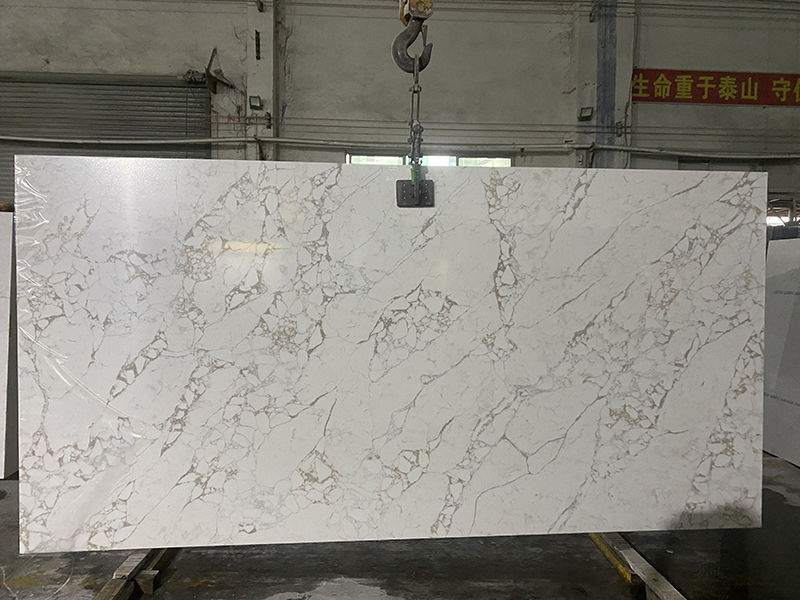
Importers of artificial marble should be familiar with the quality standards to help them ensure the products' performance, compliance with regulations, and customer satisfaction. When making artificial marbles under controlled conditions, the assessment of the qualities of the marbles can be more predictable and more dependent on the standards to be met during the production process. International standard quality requirements are always taken into account by Xiamen Nishi Group Co., Ltd. when focusing on the quality of products to satisfy the international buyer's expectations.
Physical Properties and Performance Standards
Physical characteristics of artificial marbles directly influence the durability, workability and performance of the artificial marbles. Importers need ensure that products meet standards which specifies certain physical properties.
The density of artificial marble is 2.4 – 2.6g/cm³, and having water absorption less than 0.3 – 0.5 percent is standard. Lower water absorption means better stain resistance, making the material ideal for kitchens and bathrooms.These should be requested by the importer in the form of a test report. Strength of the material resisting bending forces. The flexural strength of the excellent quality artificial marble should be not less than 10-15MPa. The rating will be higher the more damage-resistant it will be when installing and using the product.
Compressive Strength is the ability of the material to withstand compression. The quality artificial marble can reach 80-120MPa of compression strength, and can be used for floor and countertop.
Abrasion Resistance is a measure of the ability of the surface to resist abrasion as measured by surface wear tests, e.g., the Martindale method. When buying commercial products, importers should ask for certified test data of high abrasion.
Aesthetic Consistency and Color Stability
The most important aspect with interior application is the aesthetic quality, importers need to be sure that the artificial marble products are of high quality in aesthetic level for each shipment.
Color Uniformity: Artificial marble should have a uniform color throughout the marble slabs made in the same batch; while natural stone does not. Samples should be obtained by importers and they should verify that the process of manufacturing includes stringent colour control measures. A computer based ‘colour-matching' system ensures increased batch-to-batch consistency by manufacturers.
Artificial Marble Replika Veinings and Pattern Clarity: May offer a close reproduction of the natural pattern of veinings. Quality standards require that the vein(s) are clearly defined and clearly visible and indicate natural stone and not artificial and blemished. Importers should test as samples in various light conditions to make sure the lighting conditions match the project's needs.
UV Resistant: Artificial marble exposed to sunlight should not be affected by fading or becoming yellow. Good quality products will contain UV-stable pigments and binders to give color stability. For window and glass façade applications, importers are strongly urged, to request UV aging test results.
Surface Finish and Workmanship Standards
Quality of surface finish is directly related to the aesthetic and functional properties. It is the importers responsibility to check the finished goods according to the known standards.
Surface Flatness: The surface of the made artificial marble will have to be totally flat; no dent or bump will occur on the surface. Typical tolerances used are generally between 0.5 mm per m. Straightedge gauges should be employed by importers to ensure the flatness and require the importer to receive a documentation of quality control.
Polishing Quality: surface should be shiny and scarcely pitted or orange-peel. The best quality manufactured marbles have a gloss rating of 70 to 90 on the gloss meter. Samples should be checked for uniformity of reflection and absence of buffing marks by importers.
Edge Finish: Edge should be clean, straight and chipping free. The surface finish of the edge polishing should be the same throughout. Importers are advised to ask for edge samples to check the quality of workmanship.
Defect Tolerance: is the quality standard, which specifies the tolerable range of defects like pinholes, scratches and any other irregularity on the surface. The manufacturer should be checked for their defect tolerance and confirmed with importer to ensure suitability of the defect tolerance to project needs particularly visible surfaces.
Regulatory Compliance and Certification
Importation of goods is a process so it is extremely crucial that the regulatory standards are observed to prevent any customs delays or legal liability on the importer. The application of artificial marble products is different in various markets.
Volatile Organic Compound (VOC) Emissions, countries like Europe and North America have specific standards for how much VOCs an artificial marble can emit. Imported materials should be brought back and should include Material Safety Data Sheets (MSDS) and compliance certificates for REACH or California Proposition 65.
Applications should be tested for fire resistance (e.g. ASTM E84 or Euroclass B/C) for commercial use and the importer should seek fire safety reports and ensure that they meet project needs.
CE Marking, if a product is being sold in Europe, CE marking will indicate that it conforms to both safety and environmental requirement. It is recommended to the importer to ask for CE documentation prior to placing an order.
Third-Party Certification: Products tested by major organizations such as SGS, TÜV, and Bureau Veritas provide additional quality assurance. Importers are advised to work cooperatively with suppliers who often go to third party testing.
Conclusion
Knowing the standards for artificial marble is critical for importers to make informed buying decisions, to ensure compliance with regulations, and to satisfy customers. By checking the physical properties, aesthetic consistency, workmanship and certification, the importer can be confident that the products would comply with the requirements of the markets he intends to penetrate. Our quality control processes are strictly followed and our import partners are supported by a full quality control documentation. Contact us today to find out more about our artificial marble products and quality assurance program.