
 EN
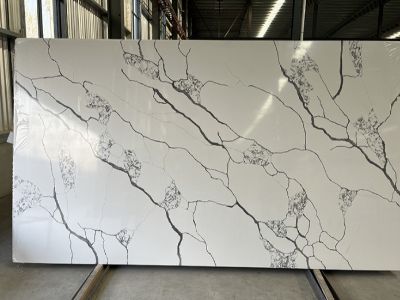
Understanding how heat resistance influences kitchen countertop material selection is critical for businesses looking to invest in durable and reliable surfaces. Kitchen countertops face high temperatures from cooking appliances, making heat resistance a key factor in material selection. B2B buyers, such as purchasing managers, distributors, and engineers, often prioritize factors like performance, durability, and maintenance when evaluating options. This article will elucidate the influence of heat resistance on countertop materials and provide insights into making informed purchasing decisions.
How Heat Resistance Affects Kitchen Countertop Material Selection?
Heat resistance plays a significant role in the selection of kitchen countertop materials. When countertops are exposed to high temperatures, they can warp, discolor, or crack if they are not designed to withstand such conditions. For instance, natural stone materials like Granite and quartzite boast high heat resistance, making them favorable choices for commercial kitchens where hot pots and pans may be placed directly on the surface.
Conversely, materials like laminate or some synthetic composites may not offer the same level of heat resistance, potentially leading to damage over time. Buyers should consider the typical use-case scenarios for their kitchen environments and select materials that can endure the thermal demands they will face. Selecting heat-resistant materials not only extends the life of countertops but also ensures safety in high-usage kitchen environments.
Key Specifications for Heat-Resistant Kitchen Countertops
When evaluating heat-resistant kitchen countertops, several specifications should be examined:
Material Composition: Natural stones like granite, marble, and engineered stones such as quartz provide varying levels of heat resistance. Granite has a high heat tolerance and is less likely to warp under heat, while Artificial Quartz can be affected by prolonged exposure.
Thickness: The thickness of the countertop can influence its overall durability and heat resistance. Thicker countertops generally provide better heat insulation and are less prone to thermal shock.
Surface Finish: The type of finish applied can also affect heat resistance. For example, polished surfaces may reflect heat better than honed finishes, which can absorb heat.
Sealing and Treatments: Regular sealing can enhance the heat resistance of stone countertops. Manufacturers may offer specific treatments that improve heat tolerance, which should be confirmed during the procurement process.
Understanding these specifications allows buyers to make informed decisions that align with their operational needs and the specific demands of their kitchen environments.
Evaluating Quality in Heat-Resistant Countertop Options
Quality evaluation of heat-resistant countertops involves several critical factors:
Testing Standards: Look for countertops that adhere to recognized testing standards for heat resistance. This helps ensure that the materials have been rigorously evaluated for performance under high-temperature conditions.
Manufacturing Process: Understanding the manufacturing process can provide insights into the durability of the countertop. For example, countertops that undergo rigorous quality control measures are likely to be more reliable.
Supplier Reputation: Engaging with suppliers who have a track record of providing high-quality products can reduce risks. Reviews and case studies from previous buyers can shed light on the long-term performance of countertop options.
Warranty and Support: A robust warranty can be indicative of quality. Suppliers who offer warranties may have confidence in their products, thus providing a safety net for buyers.
By focusing on these quality indicators, buyers can better assess the viability of heat-resistant countertop options for their specific applications.
Common Problems with Heat Resistance and Countertop Solutions
While heat resistance is a crucial factor, common problems can still arise with various materials. Here are a few issues and their corresponding solutions:
Surface Damage: Some materials may discolor or warp under extreme heat. To mitigate this risk, buyers can use trivets or heat pads under hot cookware. Additionally, investing in materials known for their superior heat resistance can minimize such problems.
Seam Integrity: In larger countertop installations, seams may be vulnerable to heat stress. Ensuring that seams are properly constructed and using adhesives designed for high-temperature applications can enhance durability.
Maintenance: Heat-resistant materials still require regular care. Buyers should be aware of the maintenance requirements for their chosen material, including sealing and cleaning practices to maintain heat resistance.
Cost Considerations: Higher-quality heat-resistant materials may come with increased costs. However, considering the longevity and reduced maintenance costs associated with these materials can justify the initial investment.
Addressing these common issues proactively can lead to longer-lasting and more reliable kitchen countertops.
Where to Source Reliable Heat-Resistant Countertop Suppliers?
Finding the right supplier for heat-resistant countertops is essential. Here are several strategies:
Industry Directories: Utilize industry-specific directories to locate manufacturers and suppliers who specialize in Stone Crafts countertops. This can help identify companies with expertise in heat-resistant materials.
Trade Shows and Exhibitions: Attending trade shows allows buyers to meet suppliers, examine products firsthand, and ask questions about their manufacturing processes and quality controls.
Online Reviews and Case Studies: Researching suppliers through online reviews and case studies can provide insights into their reliability and product performance. Look for feedback from other businesses within your industry.
Certifications and Compliance: Verify that potential suppliers have relevant certifications that speak to their quality assurance processes. This ensures their products meet industry standards for heat resistance and durability.
By leveraging these sourcing strategies, buyers can find trustworthy suppliers capable of delivering high-quality heat-resistant kitchen countertops tailored to their specific needs.
Understanding how heat resistance influences kitchen countertop material selection is essential for making informed purchasing decisions. By considering key specifications, evaluating quality, addressing common issues, and sourcing reliable suppliers, B2B buyers can ensure they invest in durable and effective countertop solutions for their commercial kitchen environments.
Table of Contents
- How Heat Resistance Affects Kitchen Countertop Material Selection?
- Key Specifications for Heat-Resistant Kitchen Countertops
- Evaluating Quality in Heat-Resistant Countertop Options
- Common Problems with Heat Resistance and Countertop Solutions
- Where to Source Reliable Heat-Resistant Countertop Suppliers?